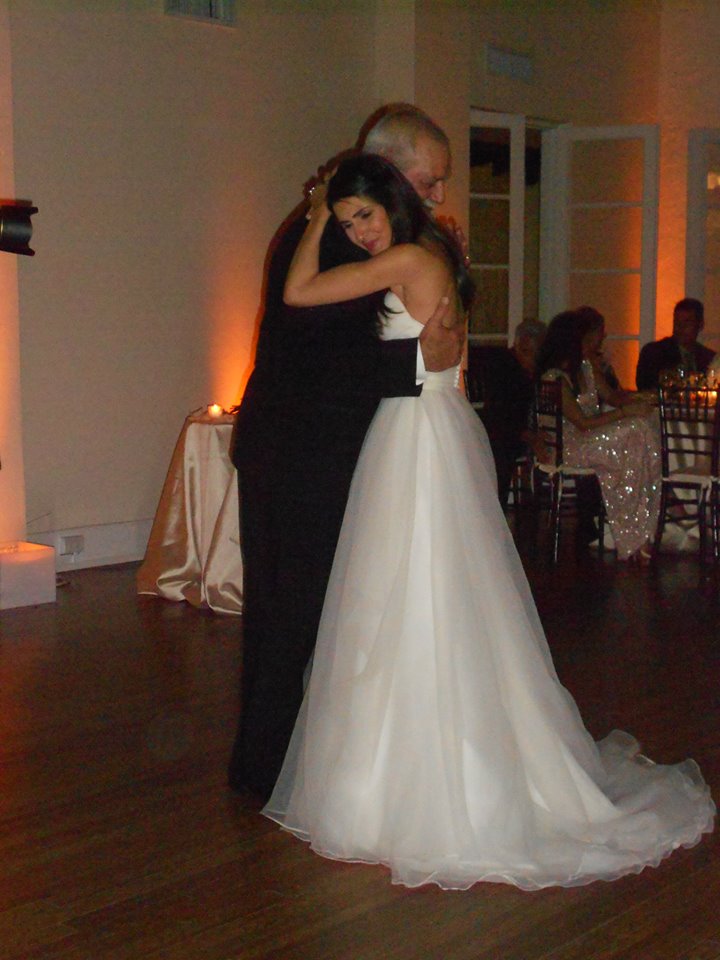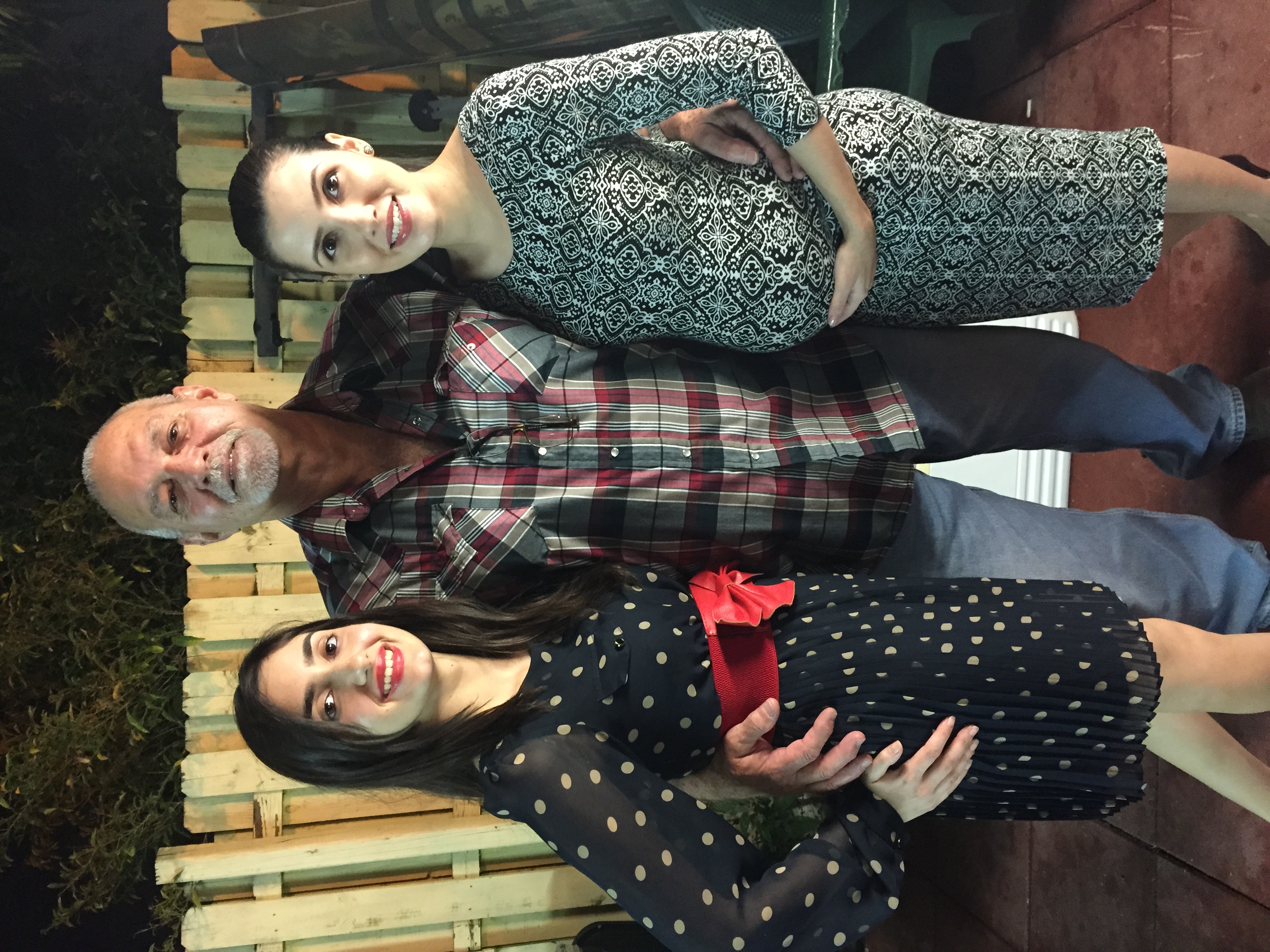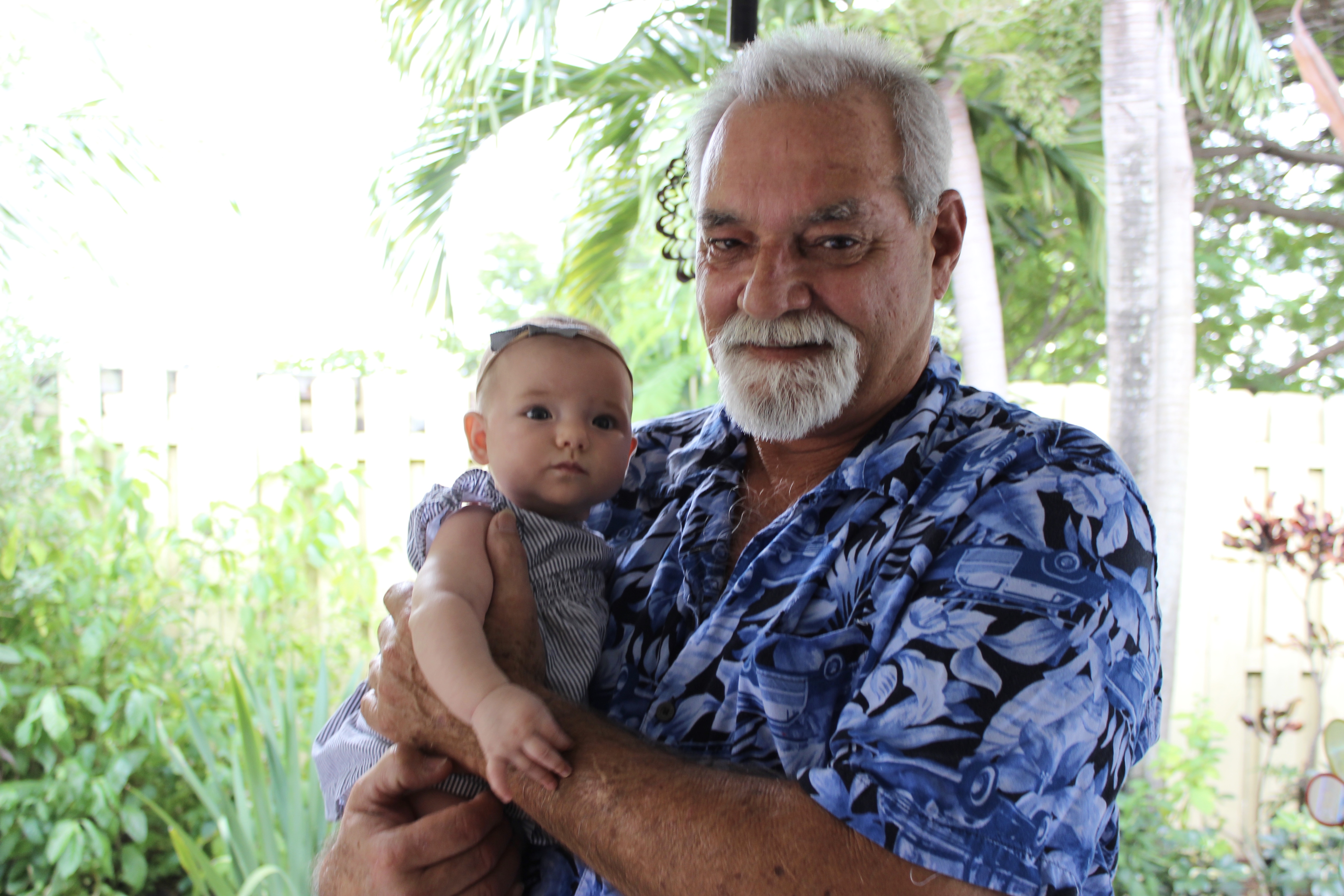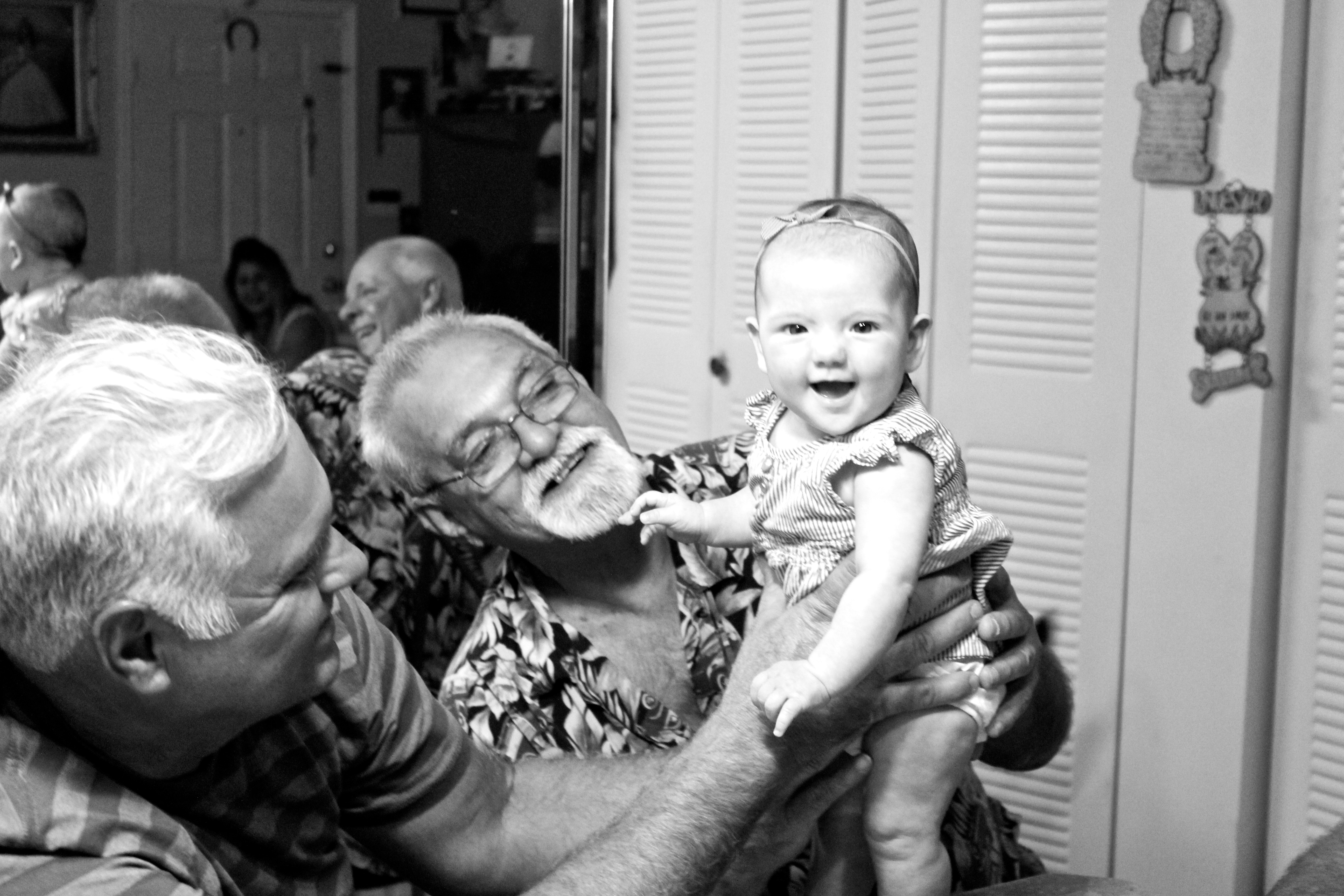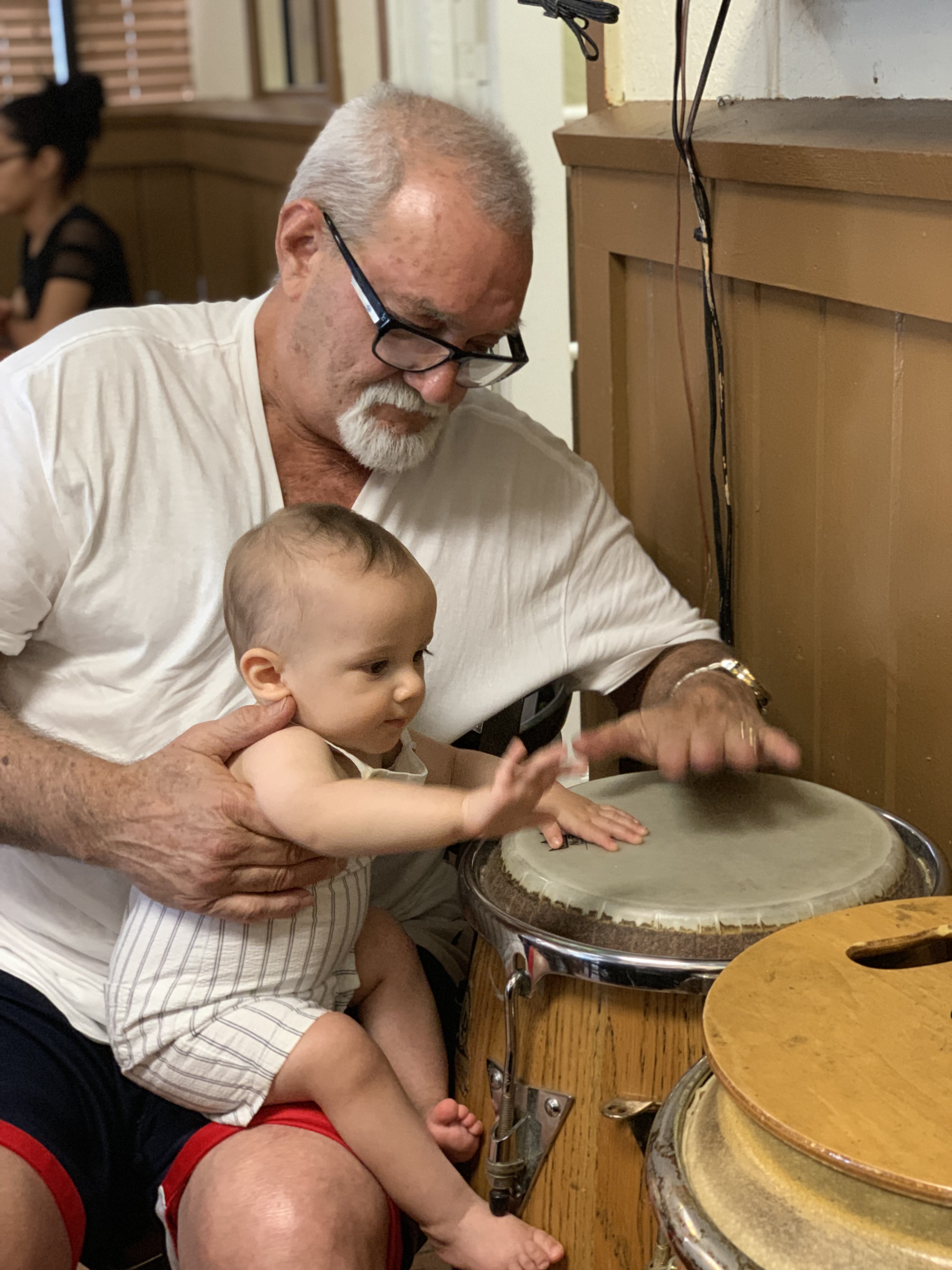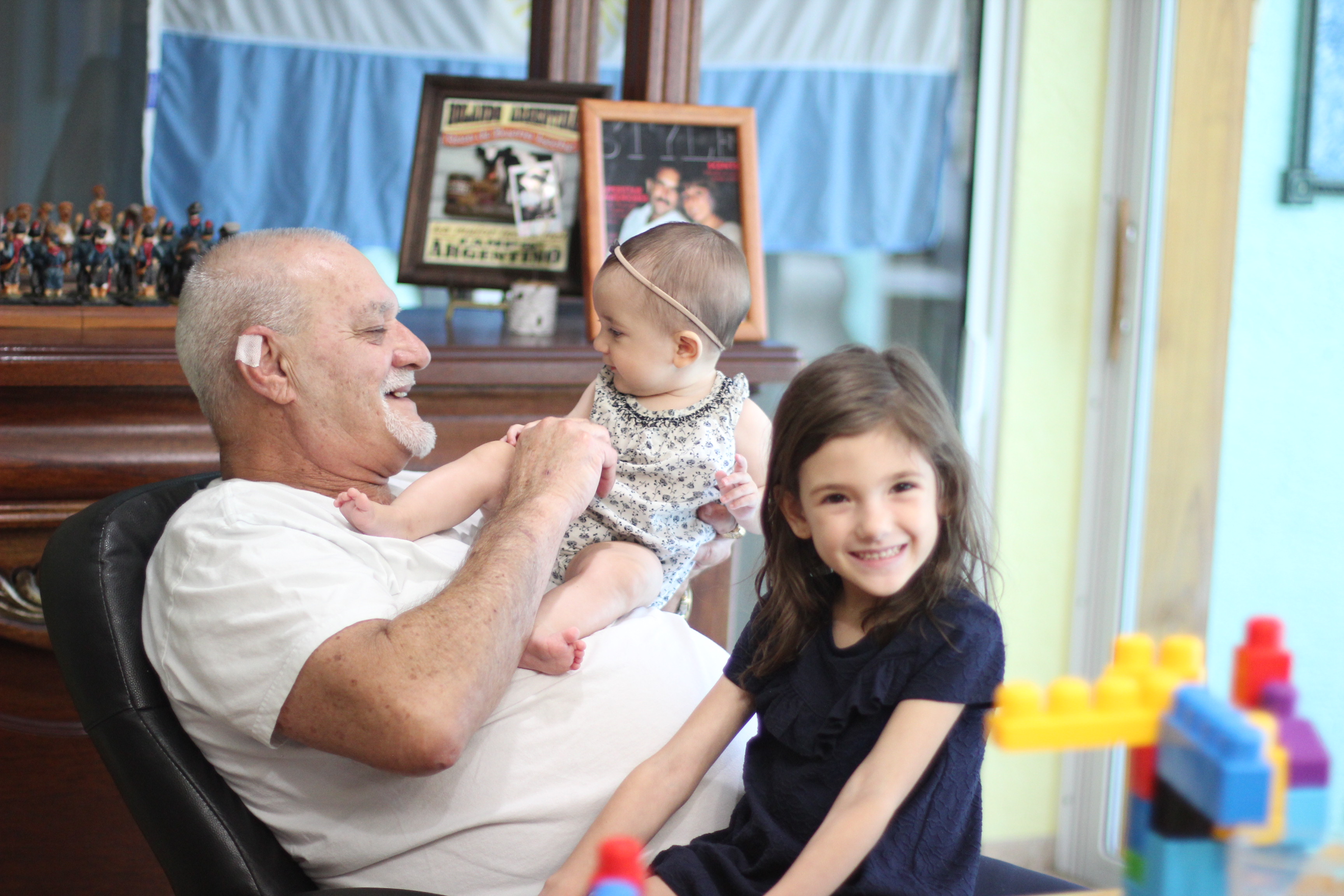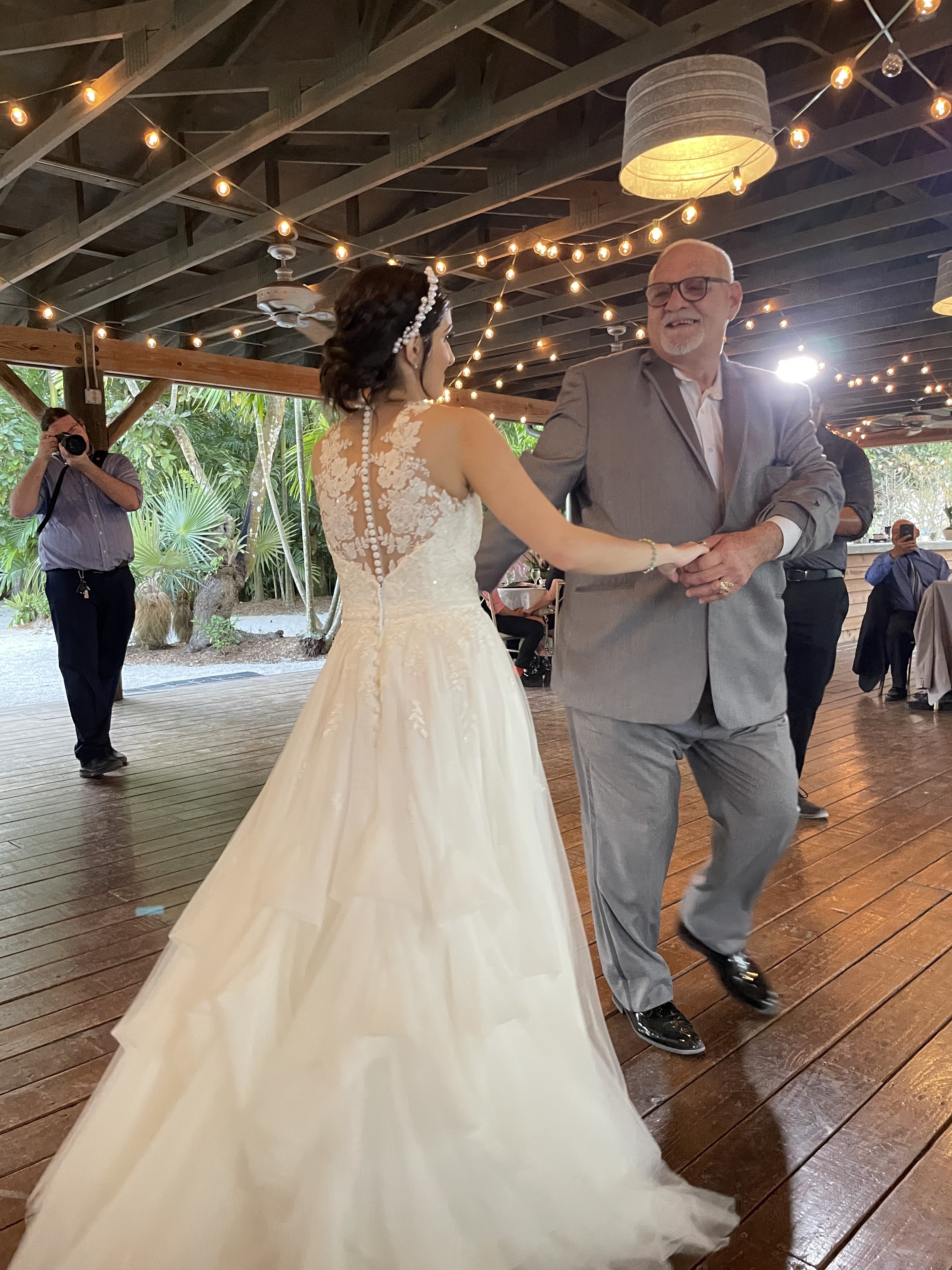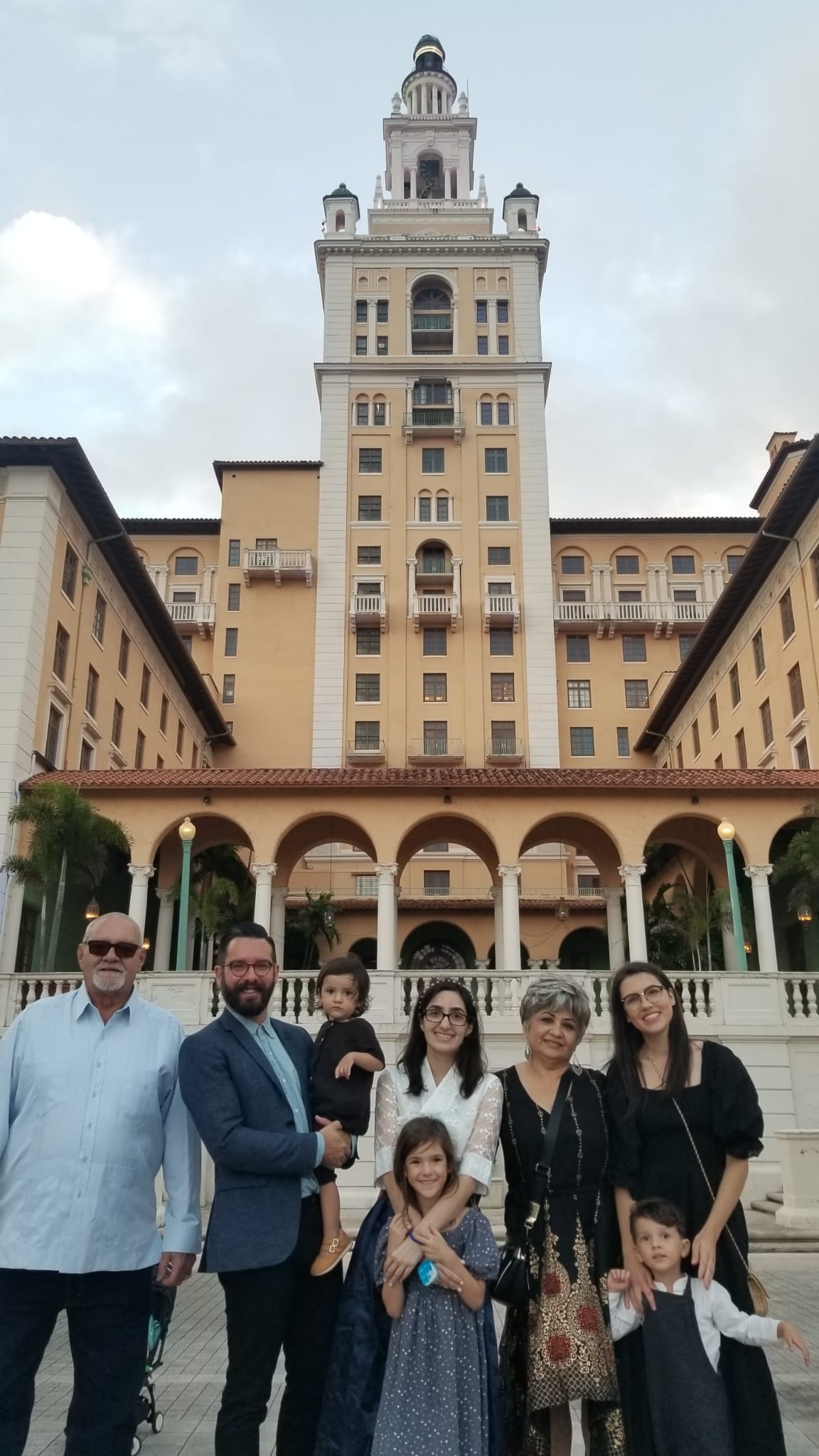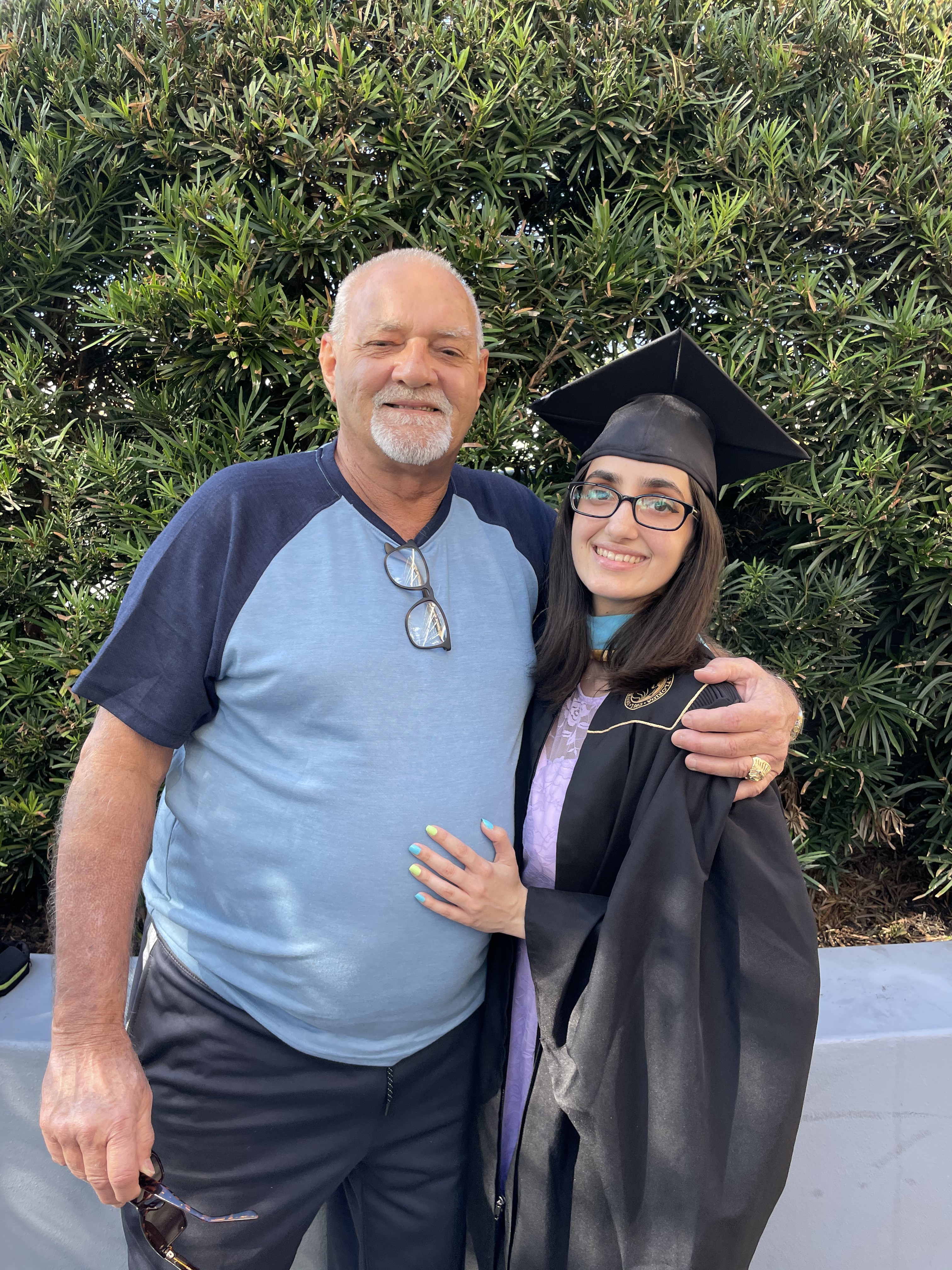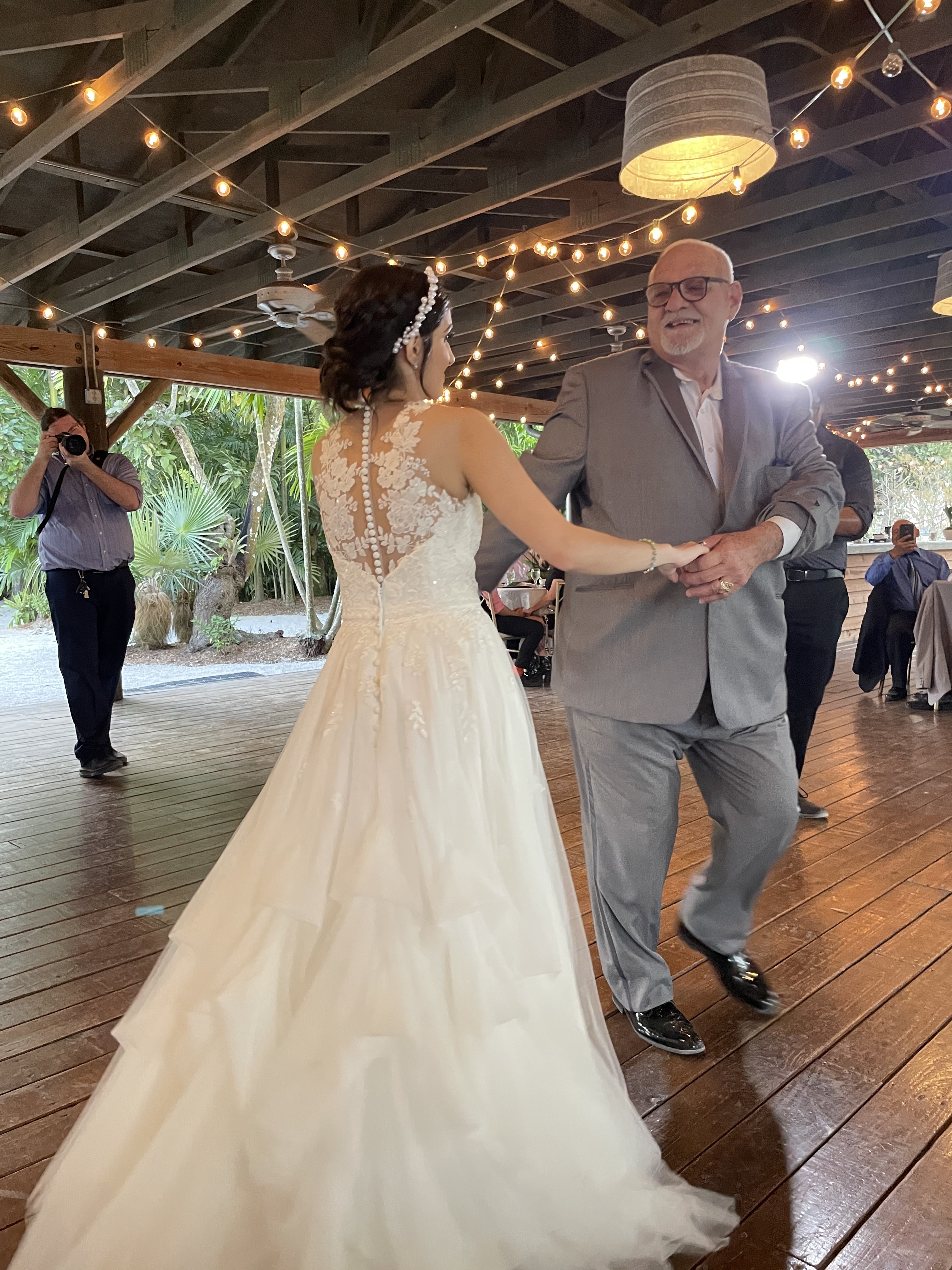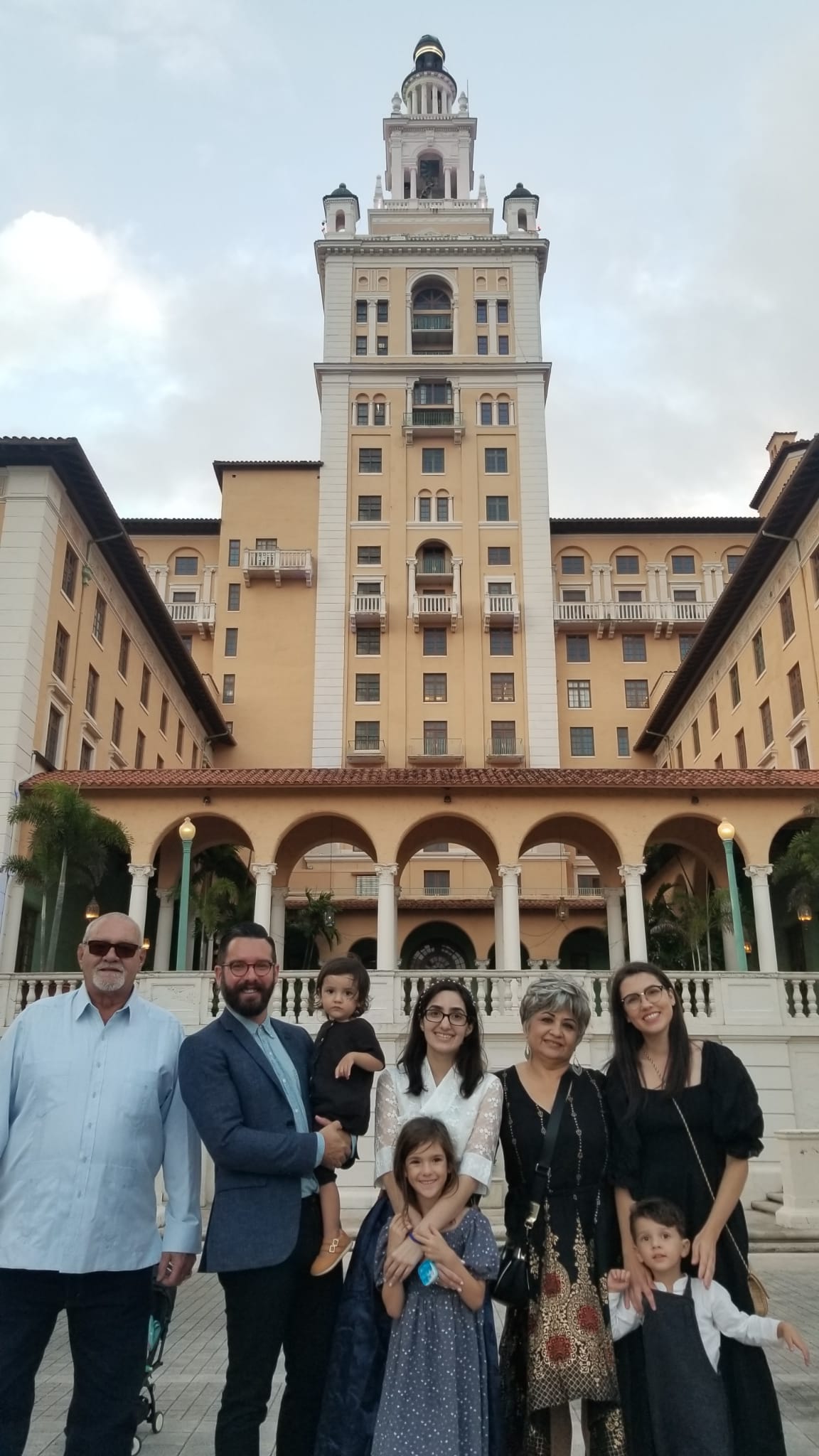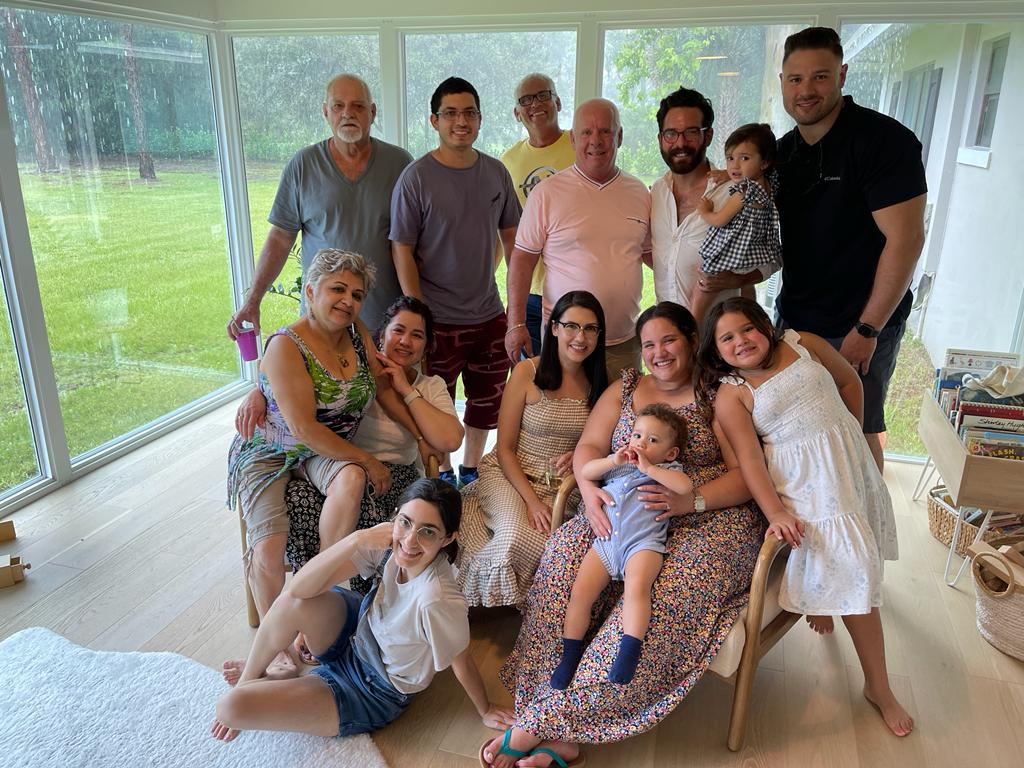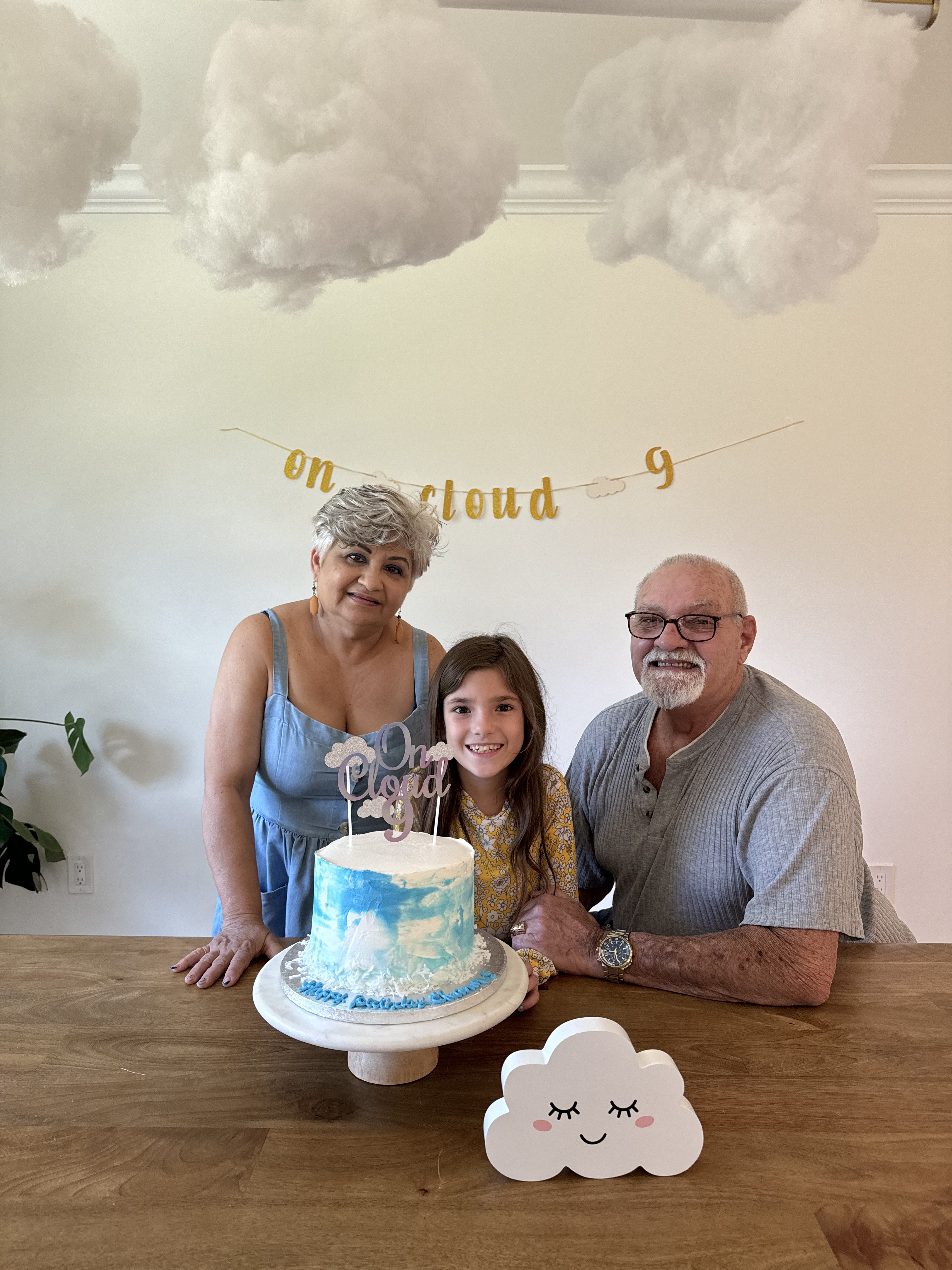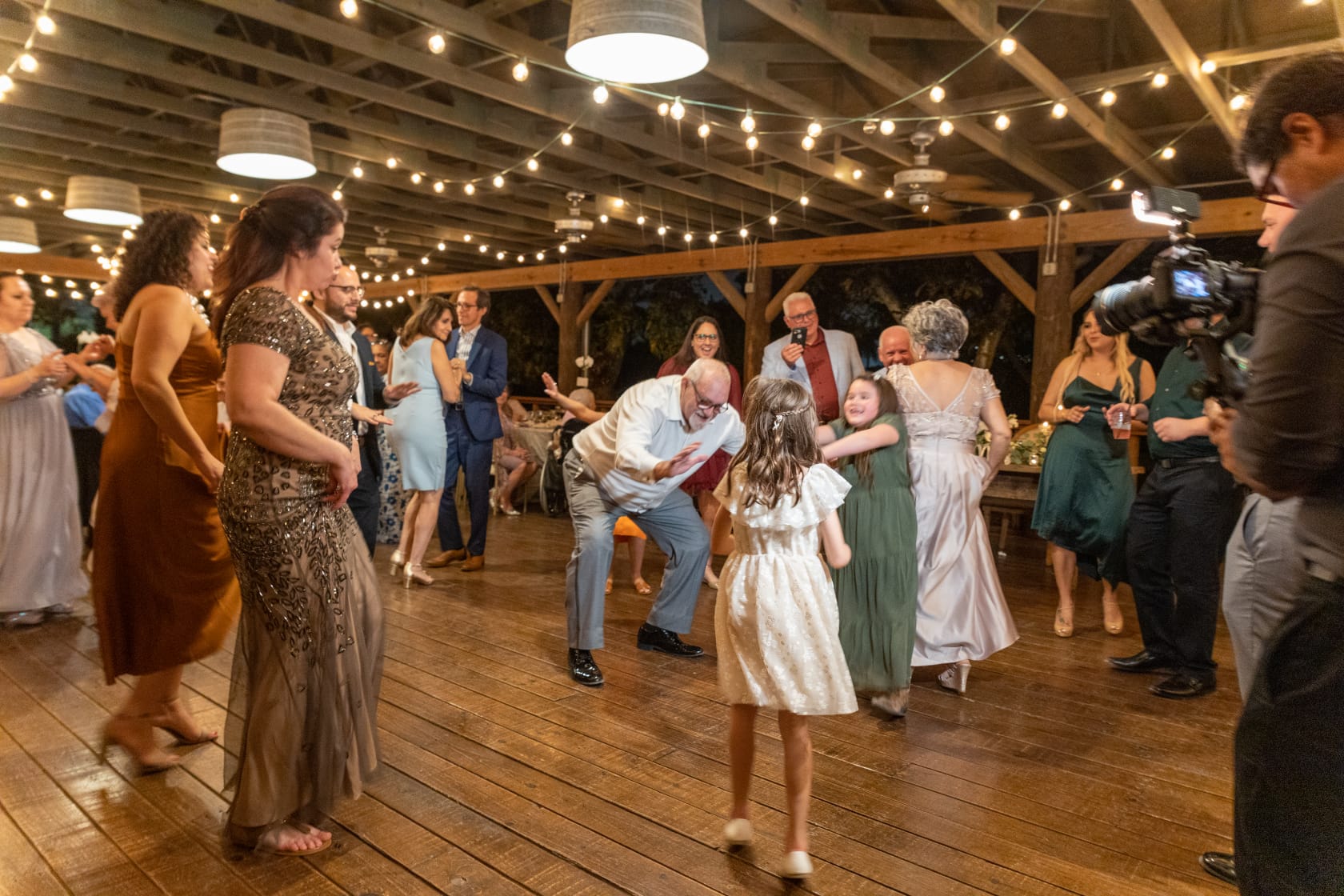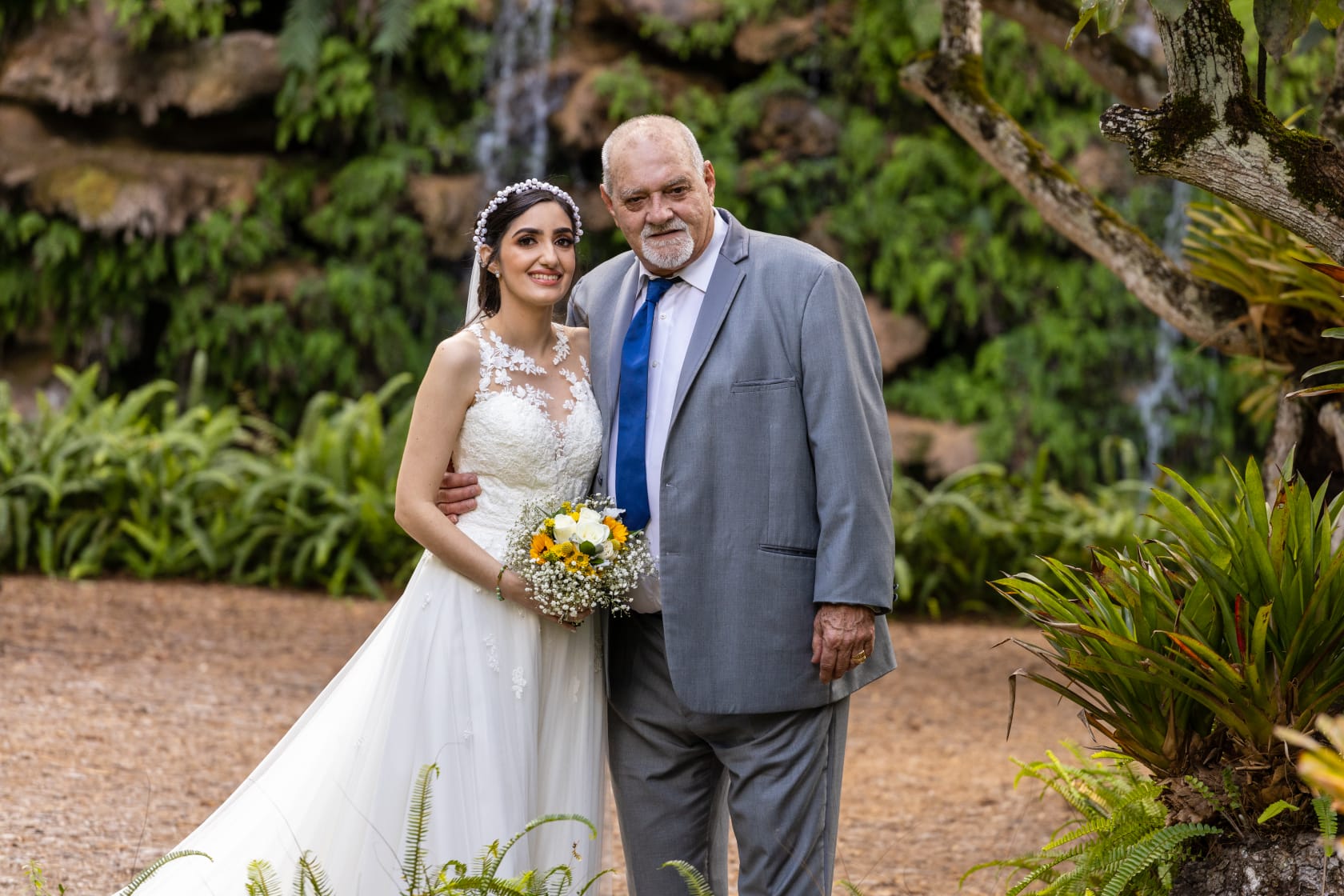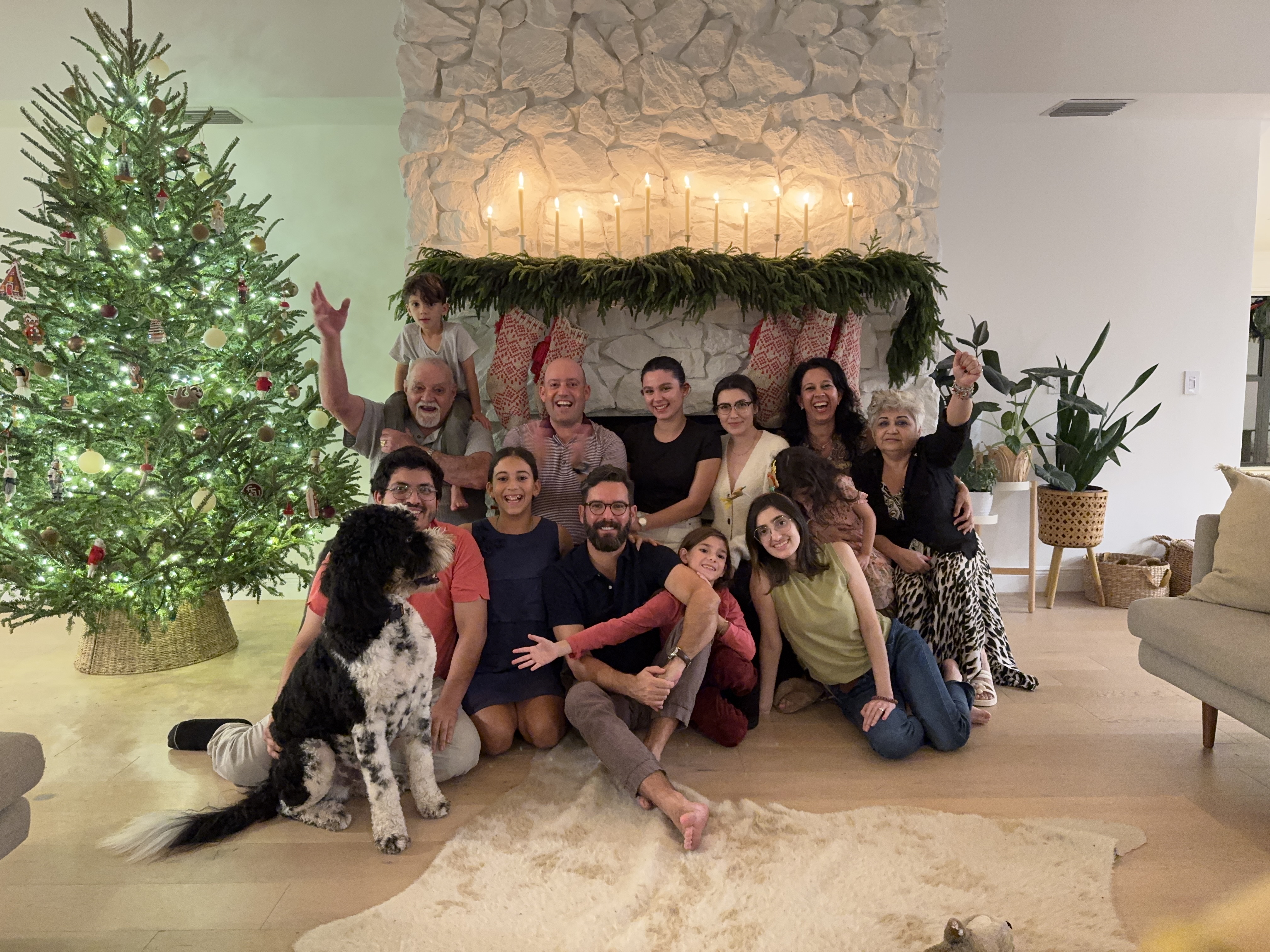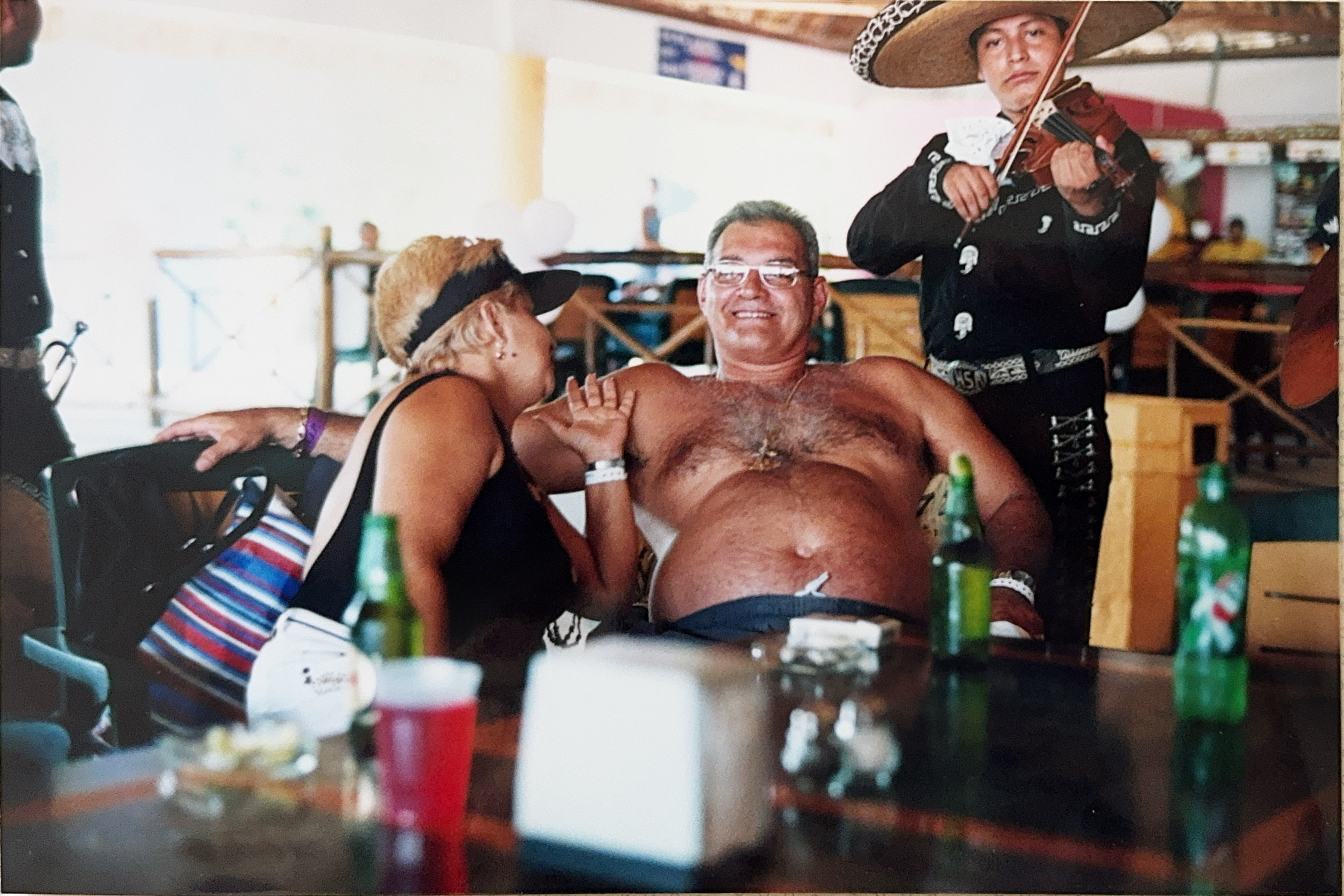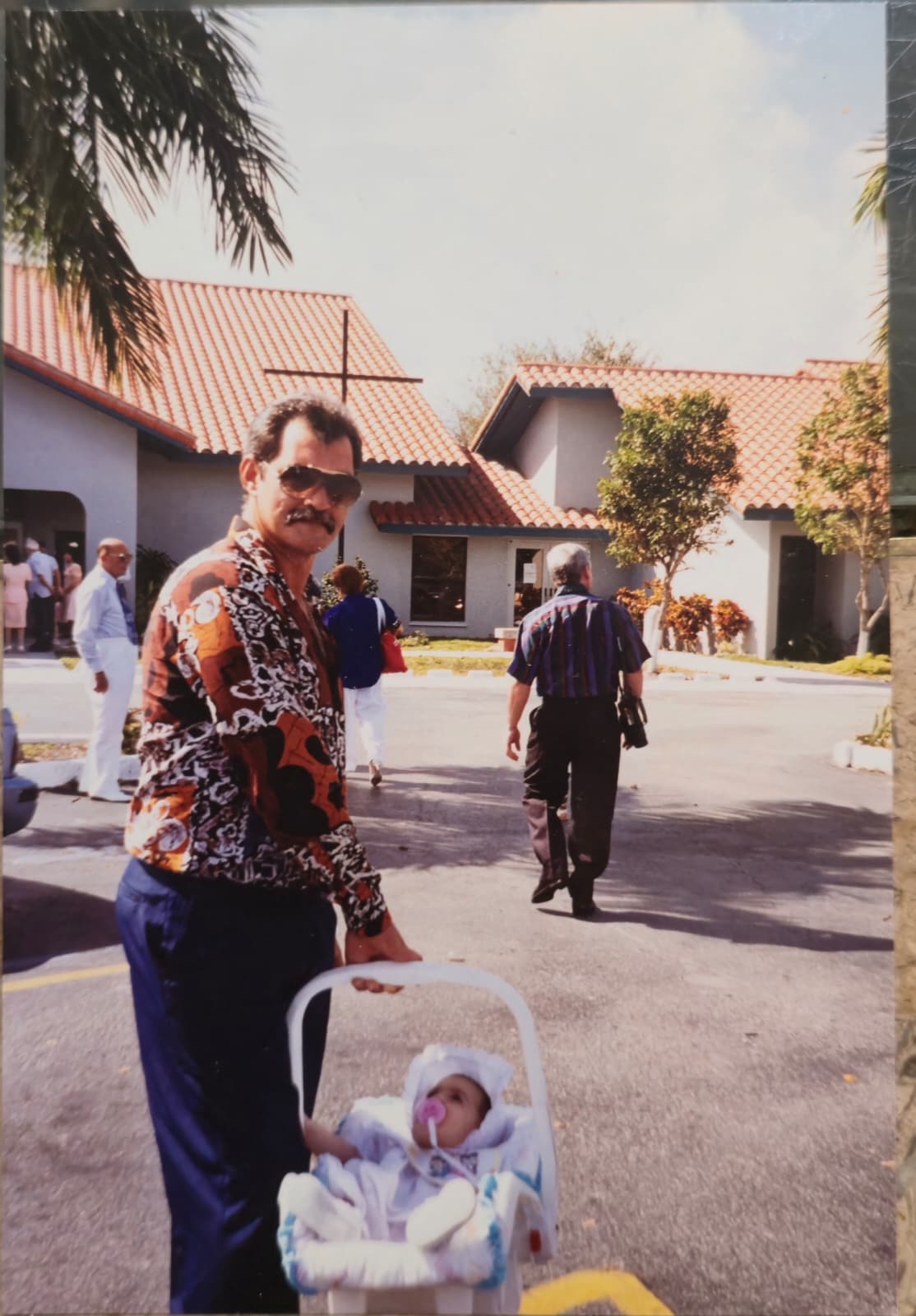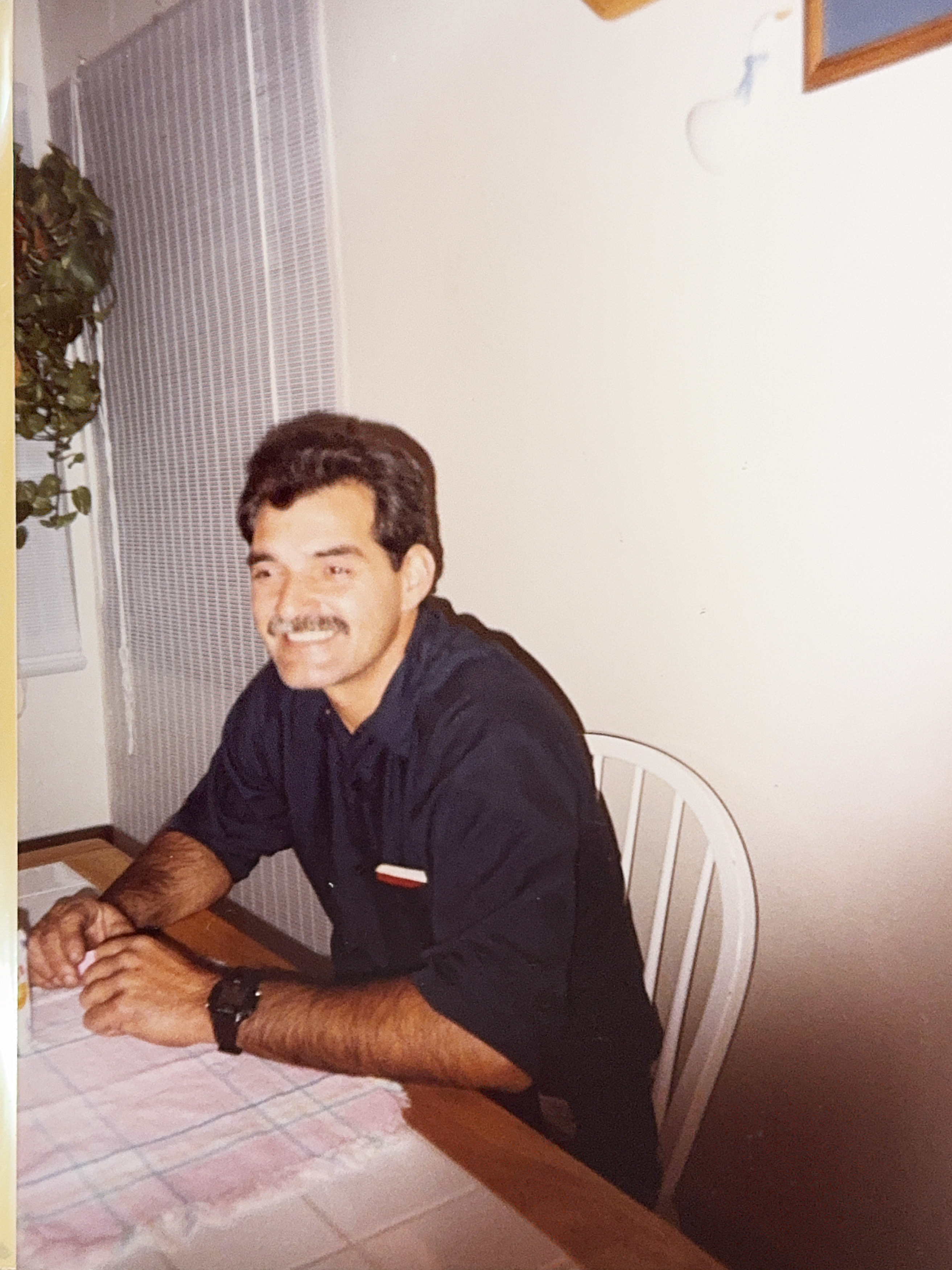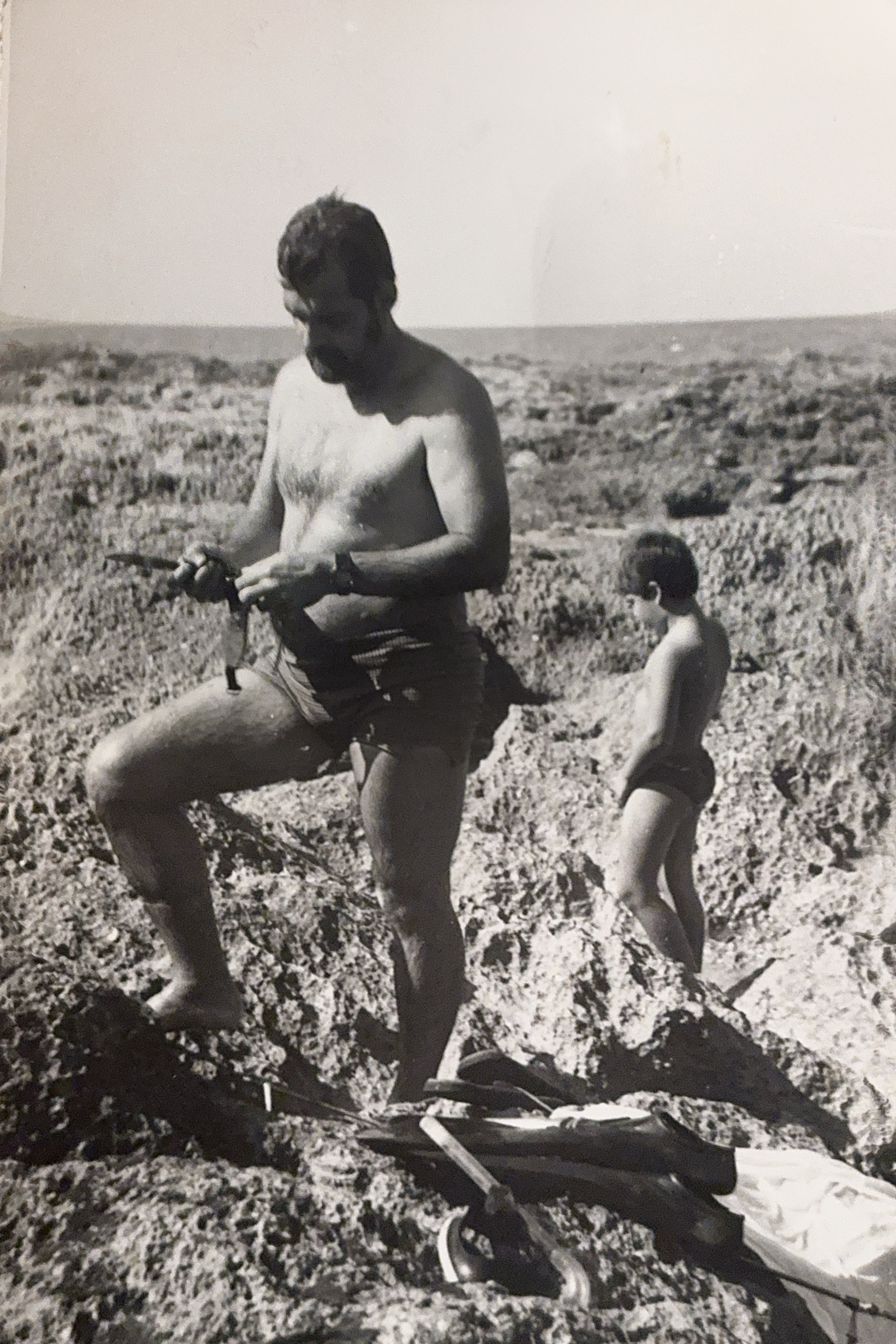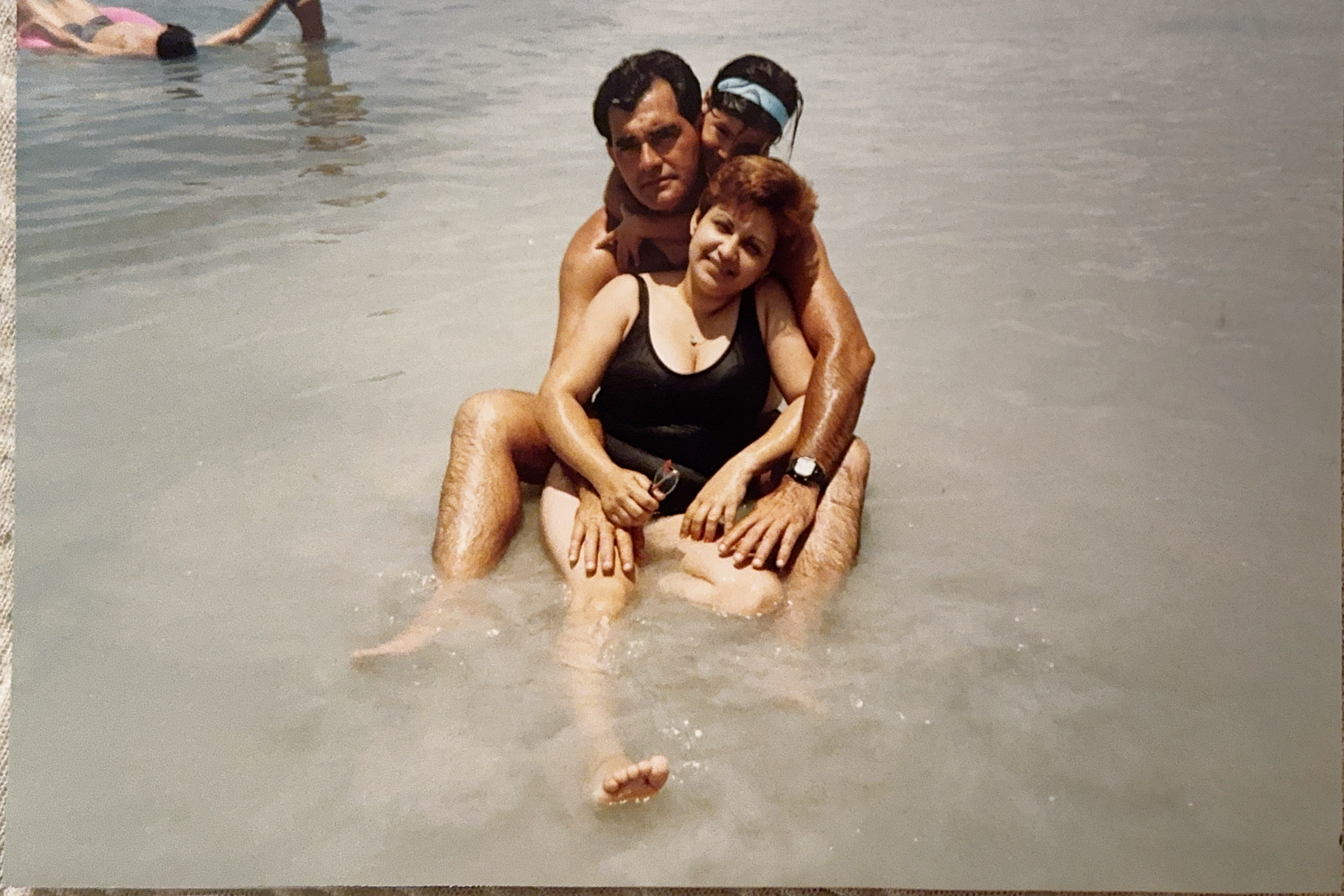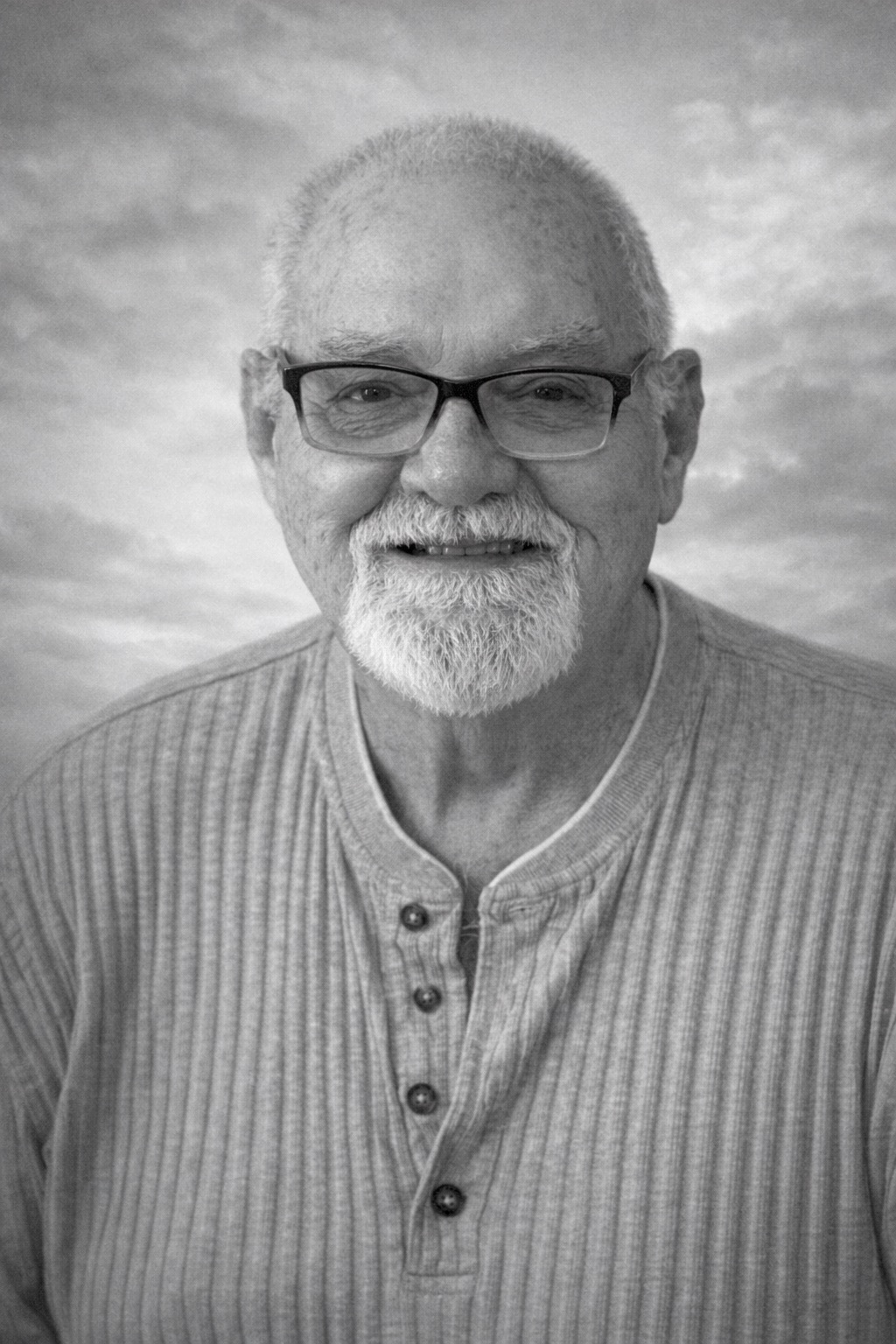
Jorge Artiles Montero, 70, of Hialeah Gardens, Florida, passed away on Wednesday, March 18, 2026. Born on June 14, 1955, in La Habana, Cuba, Jorge lived a life defined by courage, devotion, and an unwavering love for his family.
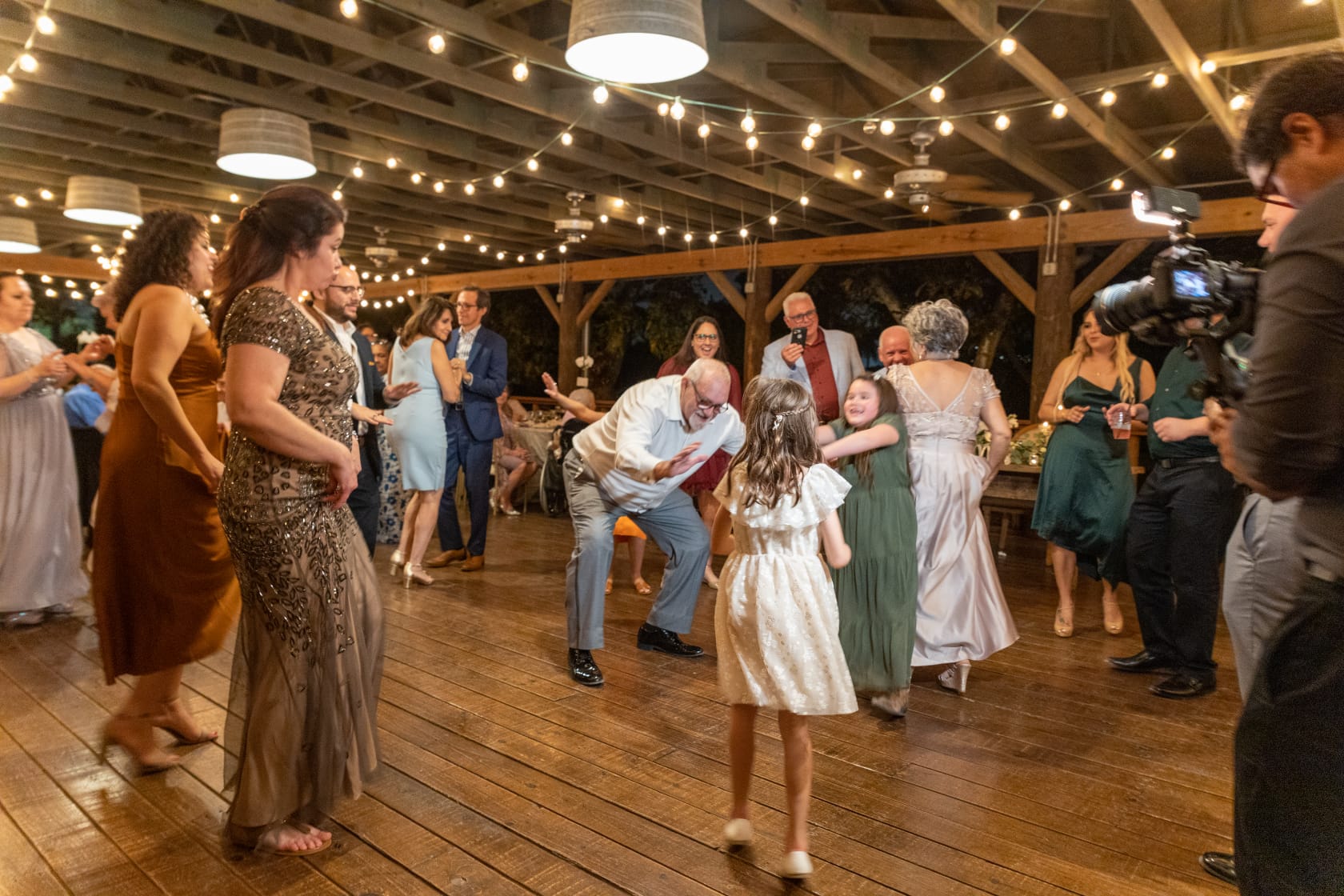
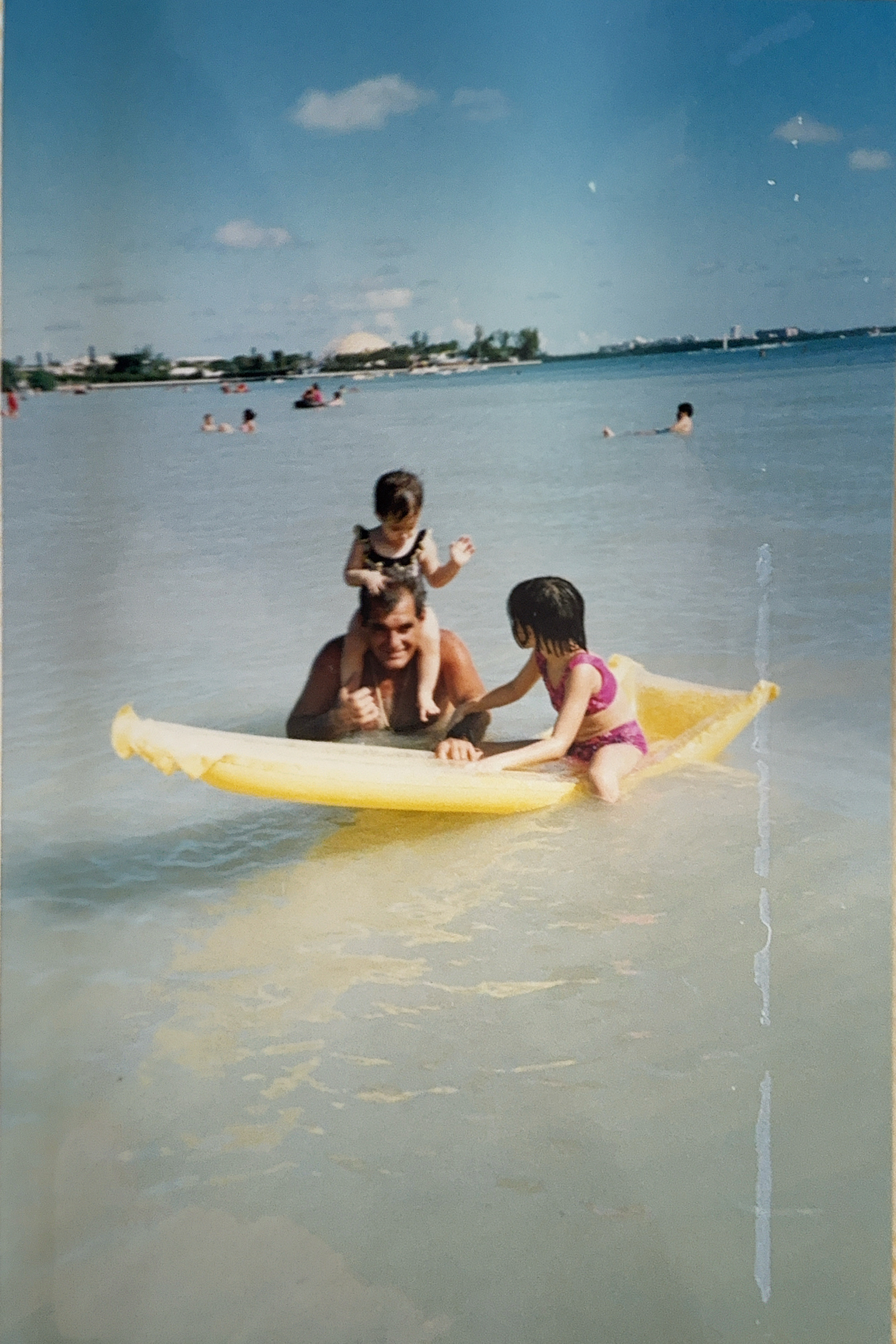
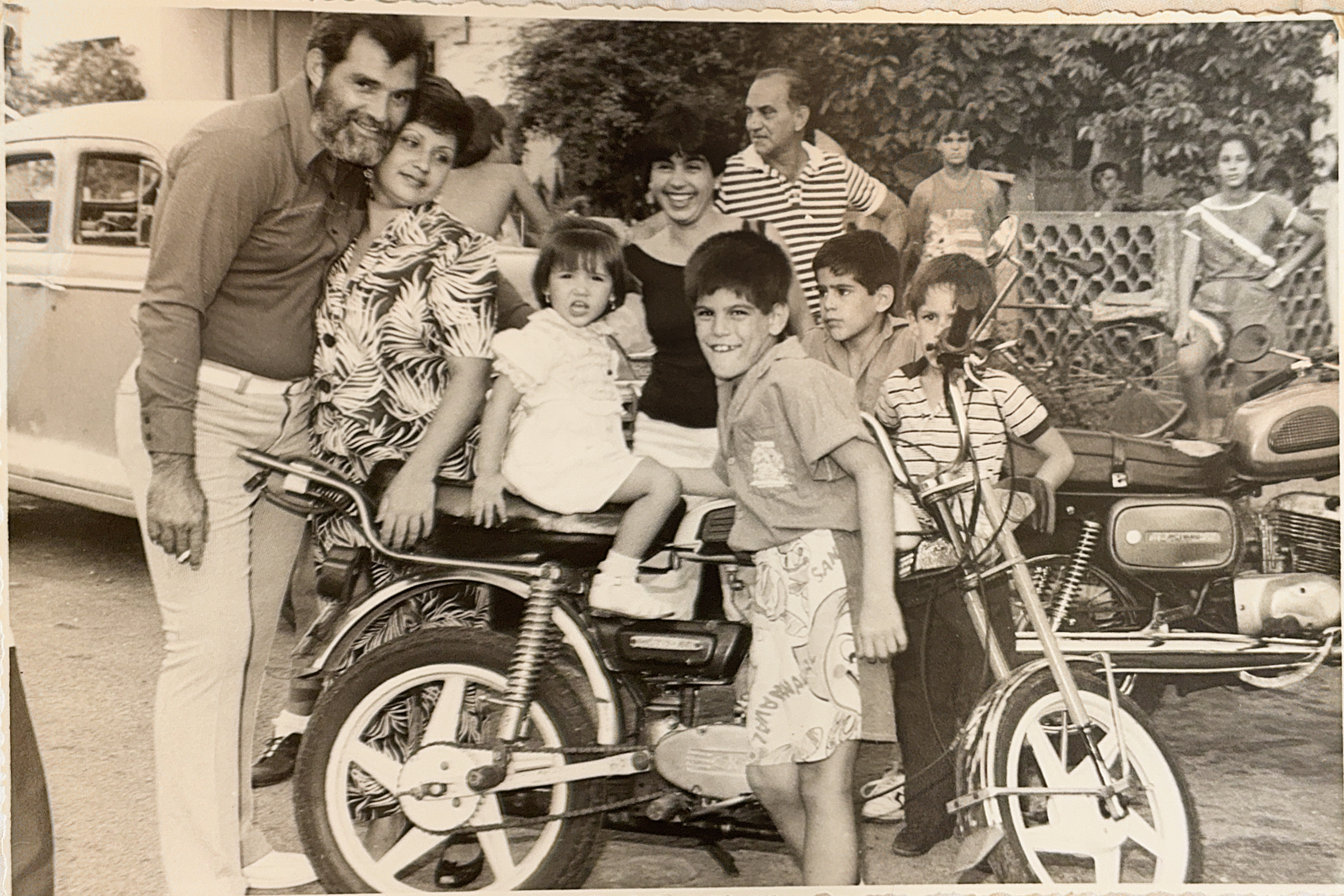
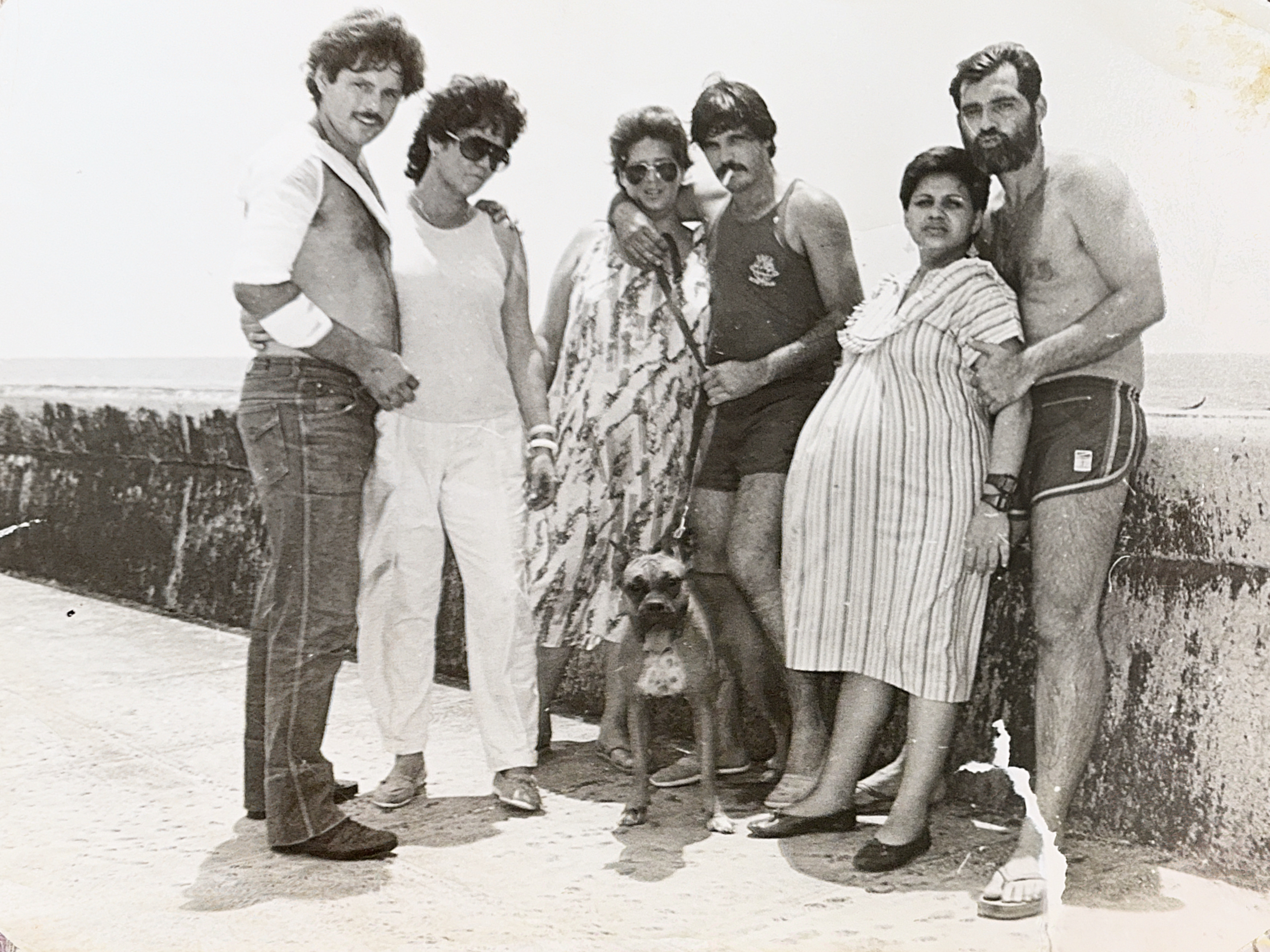
Jorge's path to freedom was forged in the crucible of political resistance. As a political prisoner who found solidarity and lifelong friendships within the walls that confined him, he carried both the scars of sacrifice and the unshakeable bonds of brotherhood. When he finally reached the shores of the United States, he embraced this country with a fierce and abiding gratitude. Known for his passionate personality, he was a tireless worker, a devoted family man, and a loyal friend. His joys were simple and sincere: good company, dancing, the freedom of riding his motorcycle, and the peace of the beach.
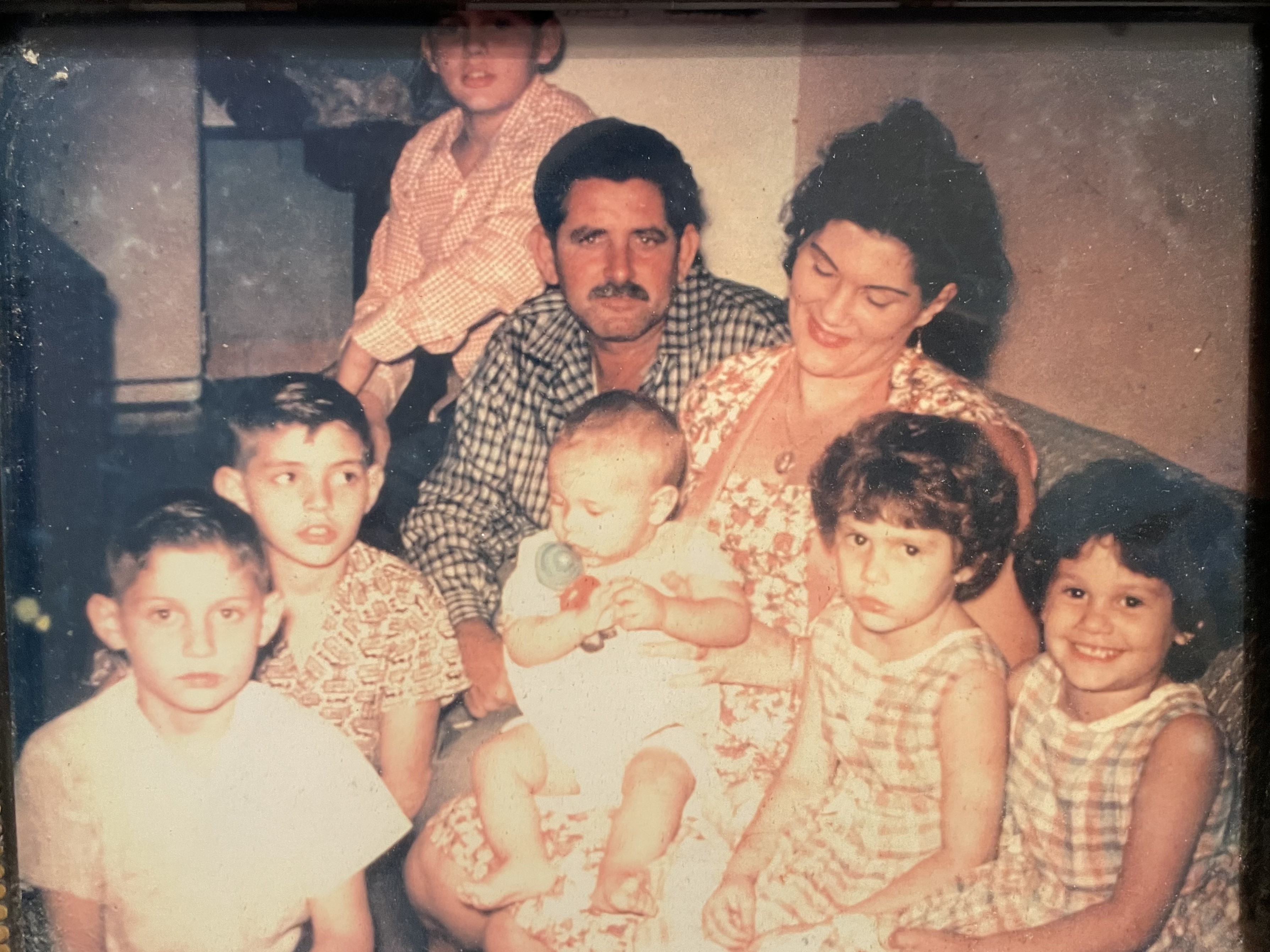
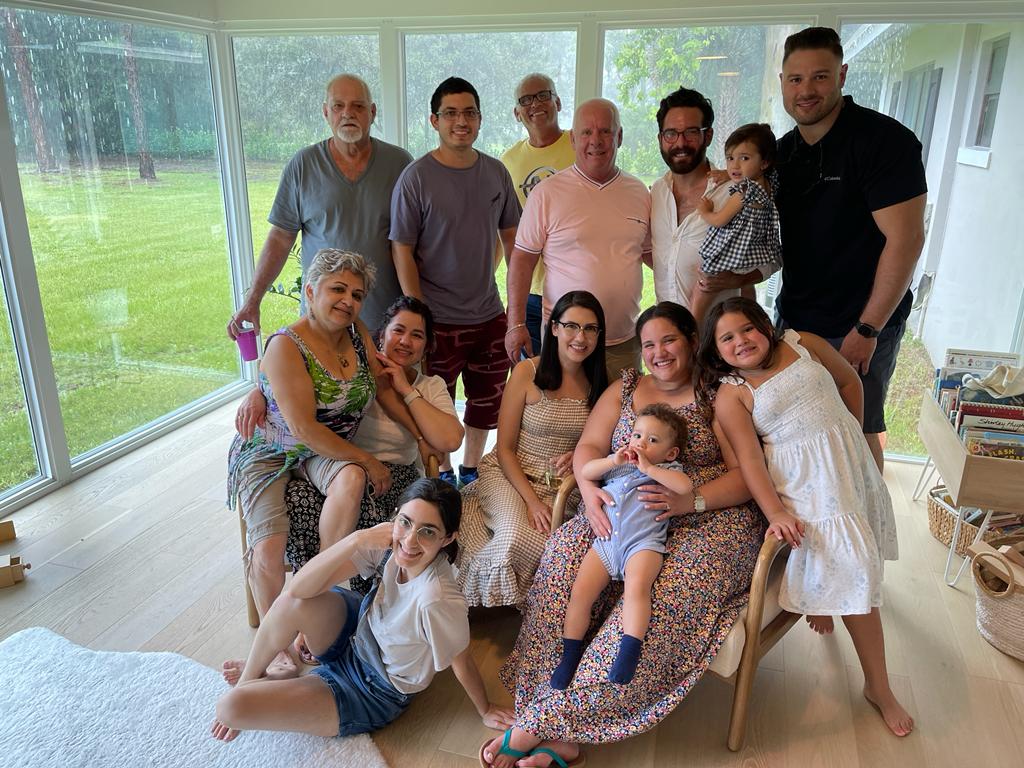
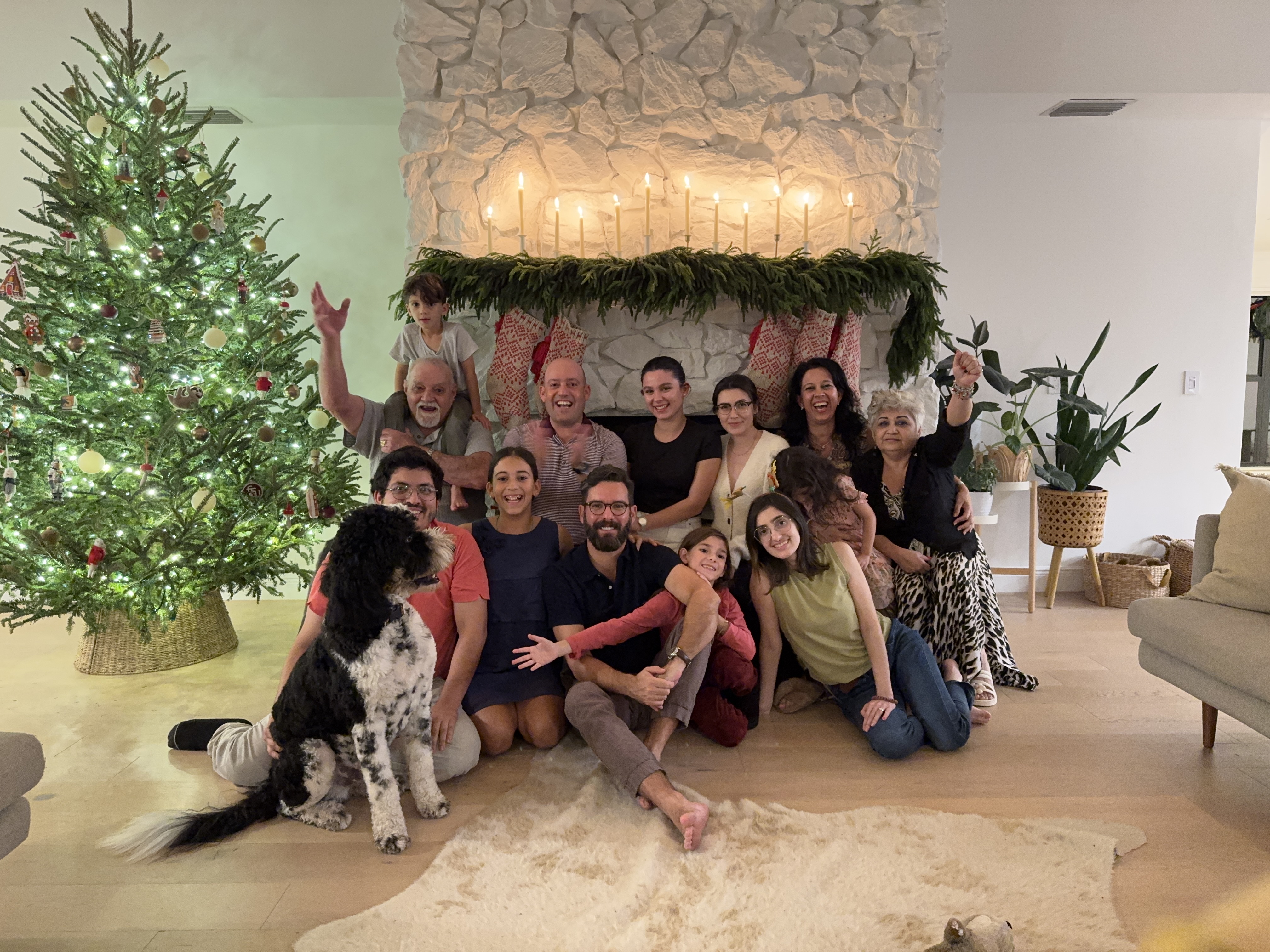
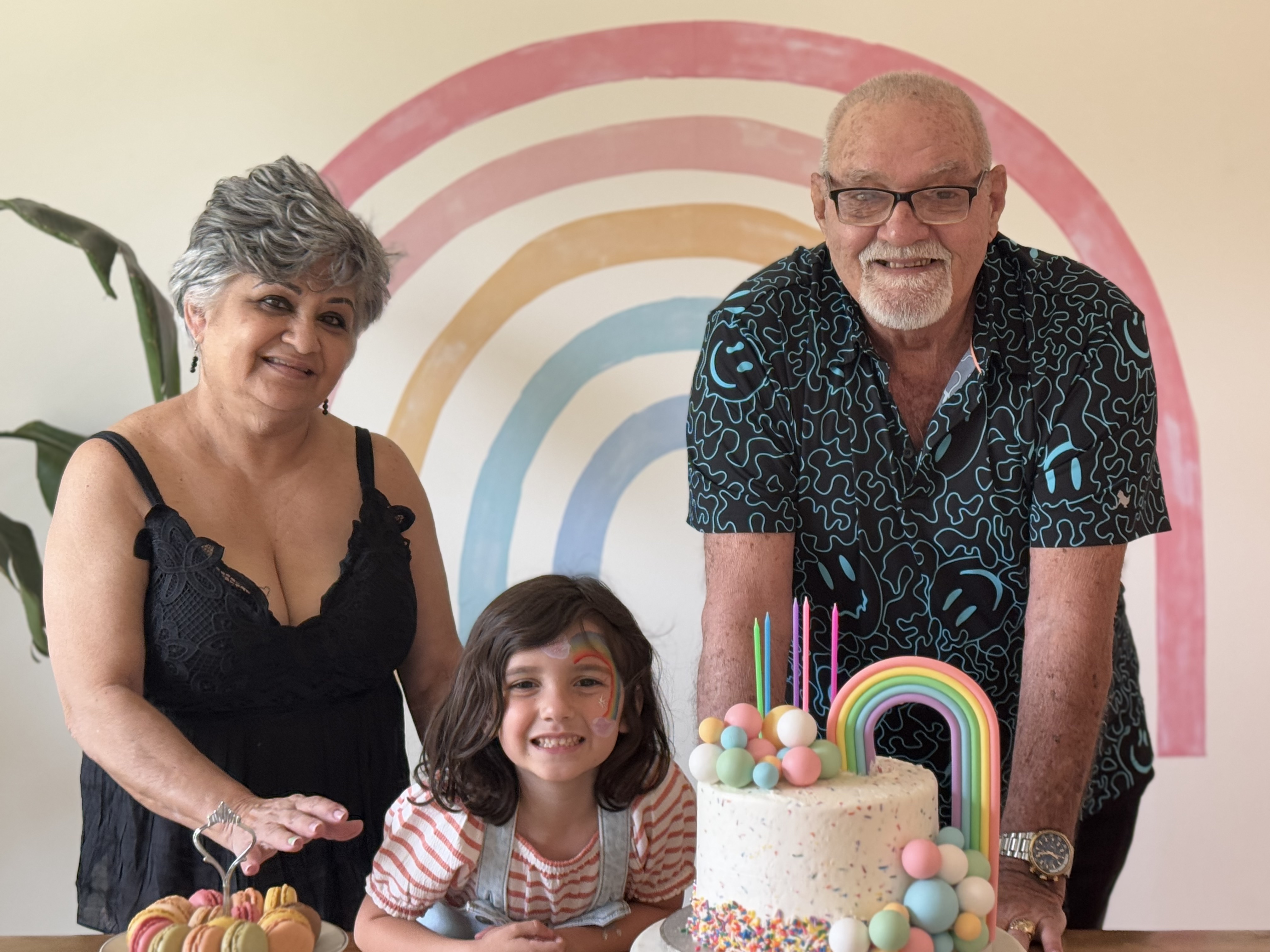
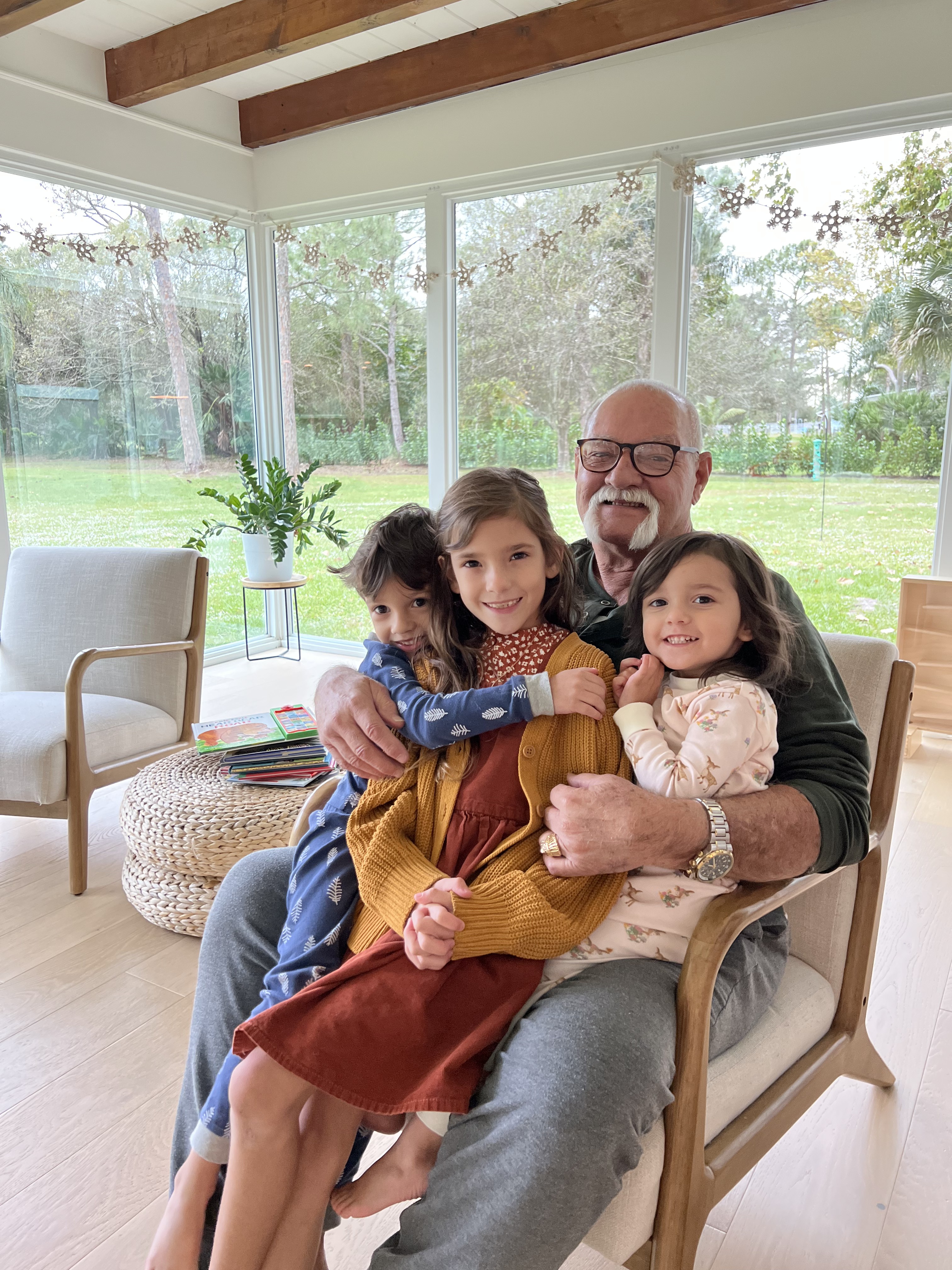
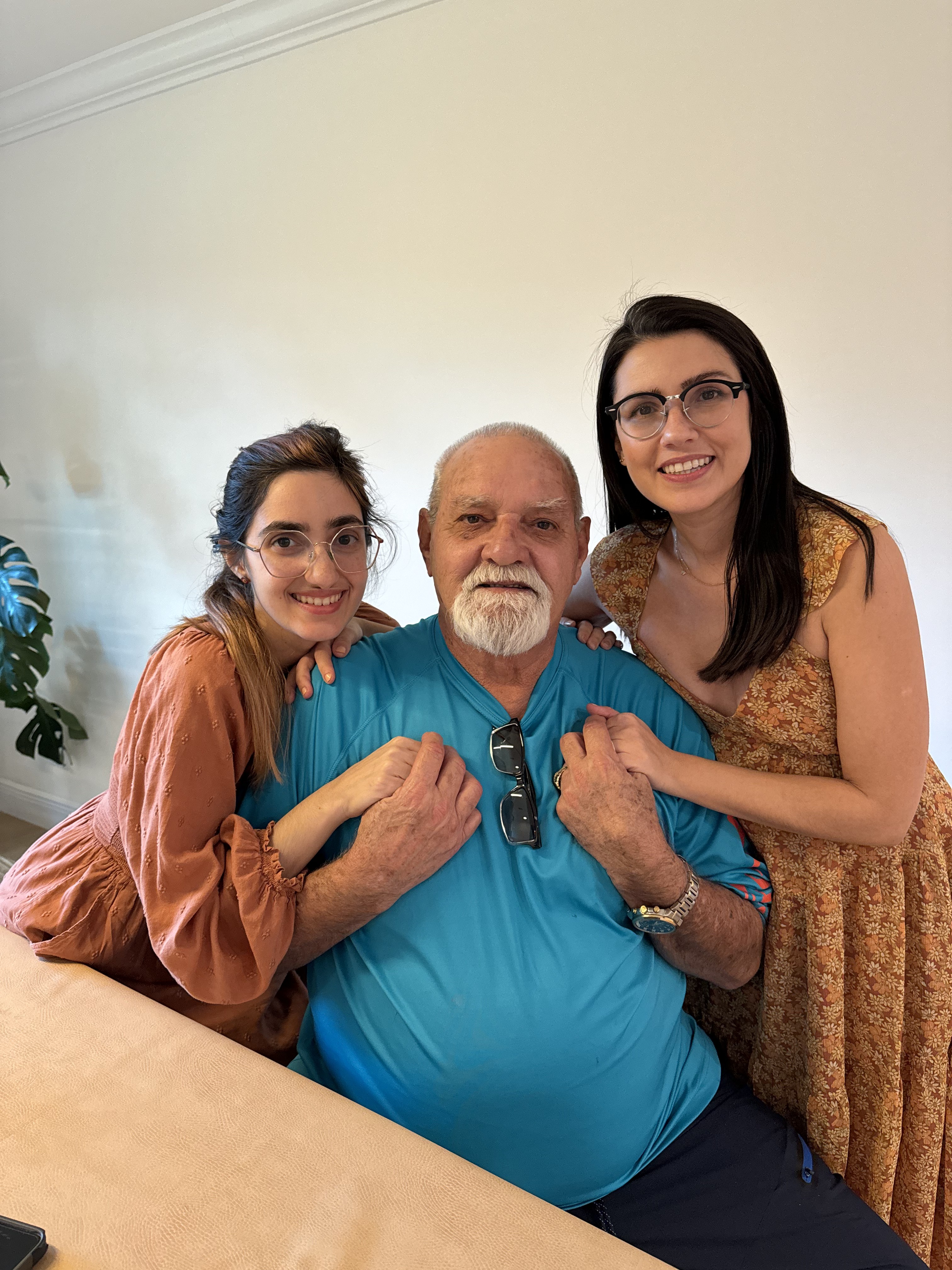
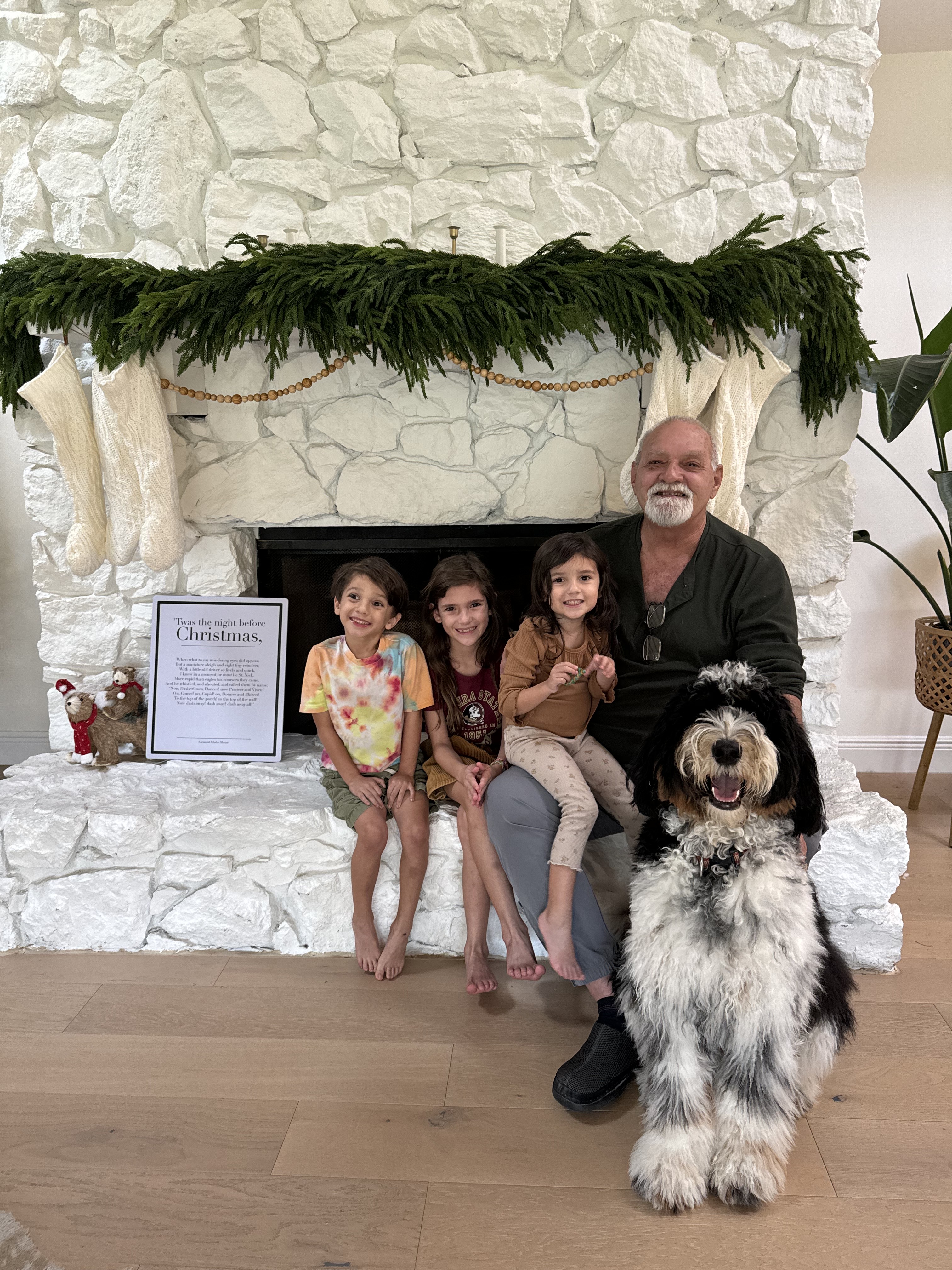
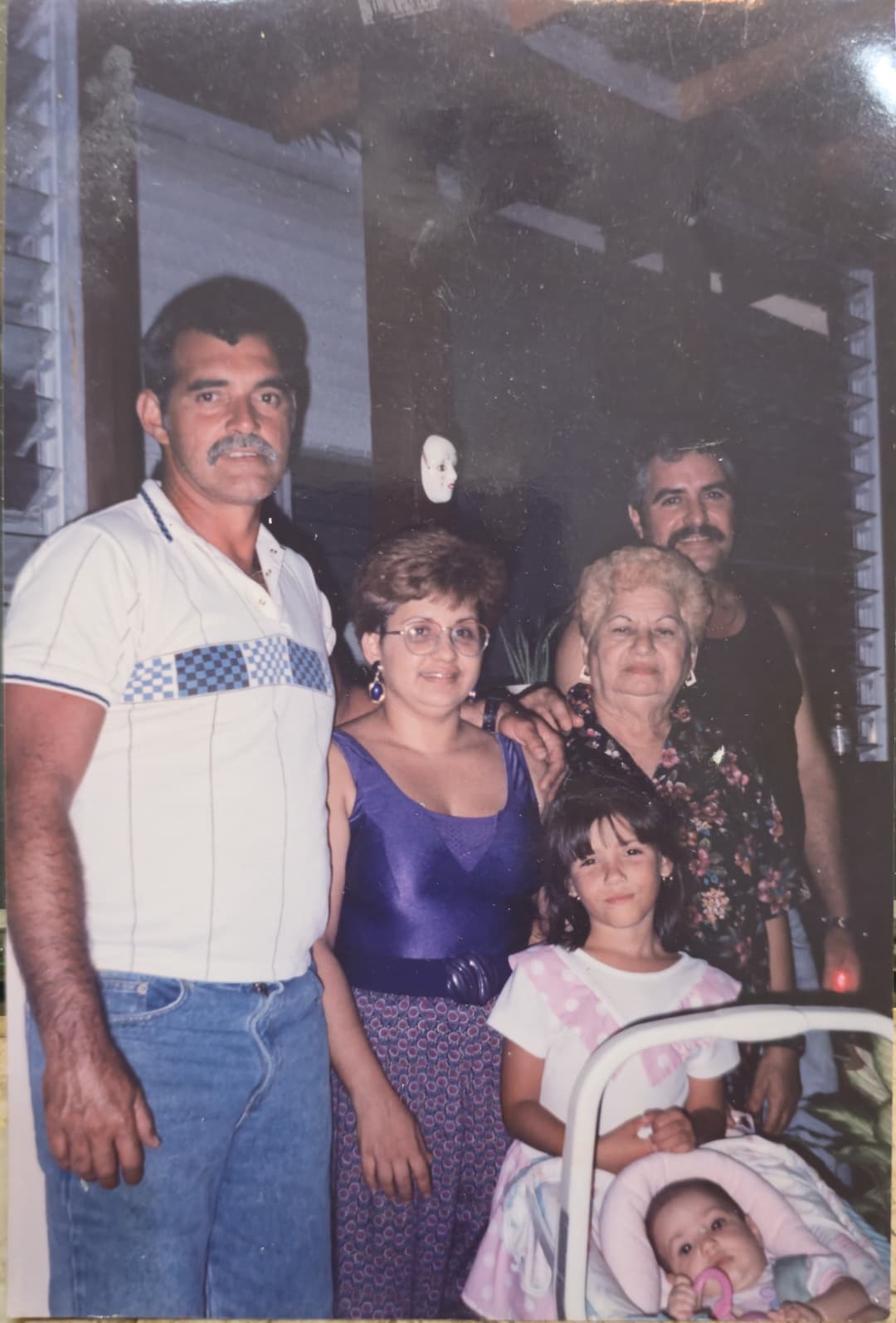
Above all, Jorge took immense pride in the family he built. He is survived by his daughters Claudia Arroyo and Viviana Artiles; their mother, Mercedes Artiles; sons-in-law Gregory Arroyo and Alexander Arbelaez; grandchildren Eleanor, Samuel, and Ophelia Arroyo; his mother, Caridad Montero; brothers Ramon and Vicente Artiles; sister Lourdes Artiles; brothers forged in friendship, Antonio Diaz and Joaquin Leal; and a host of beloved nieces and nephews.
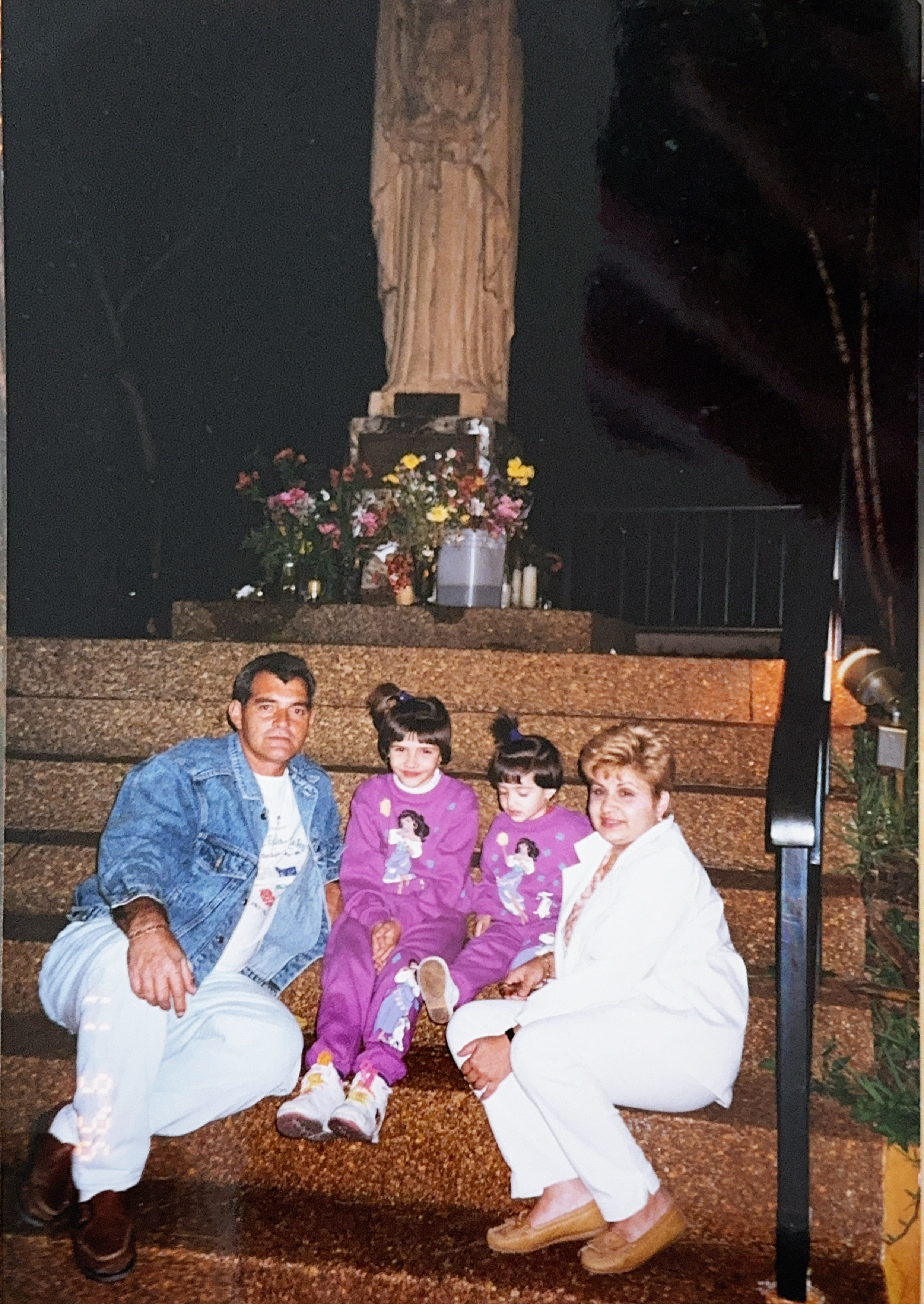
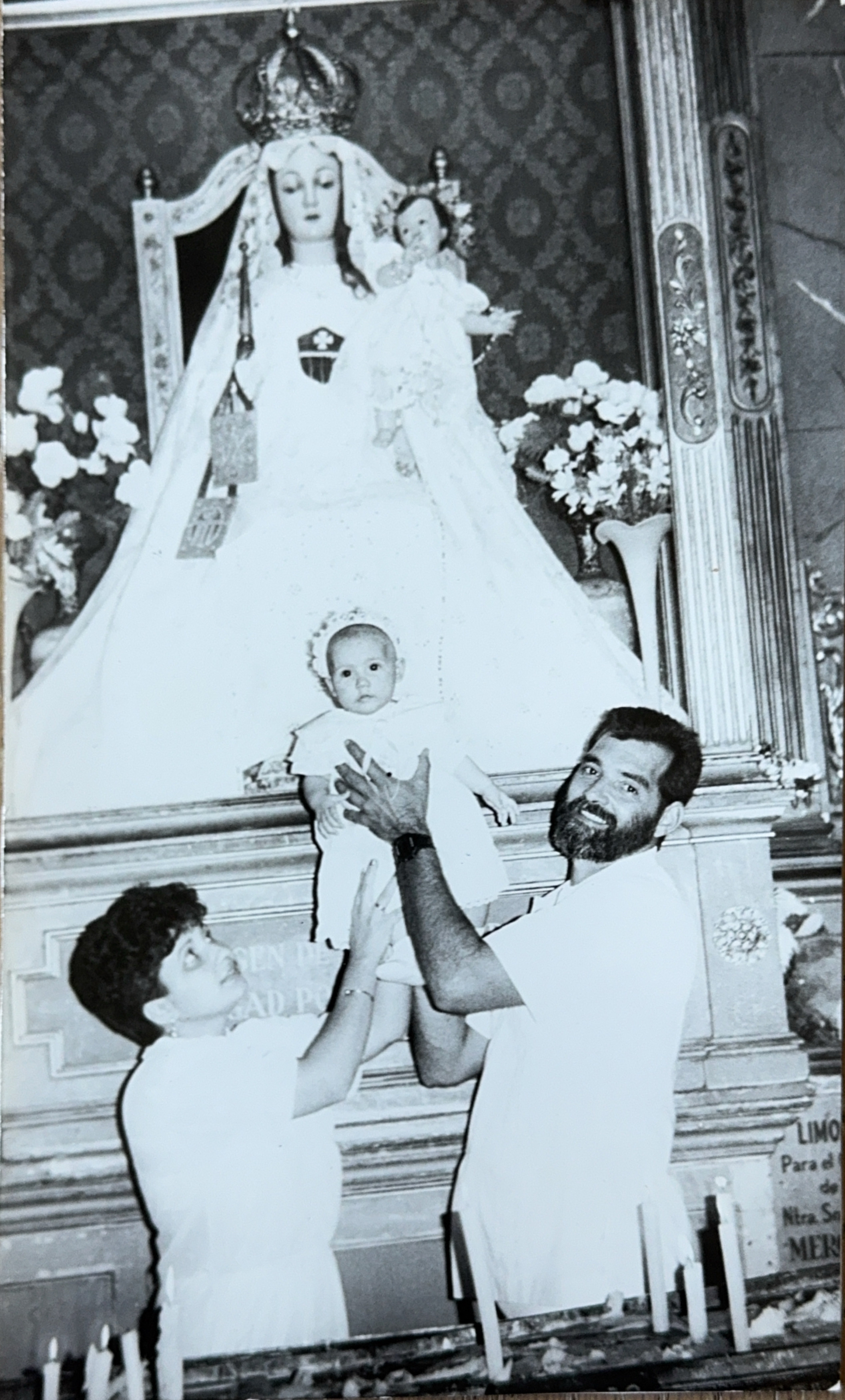
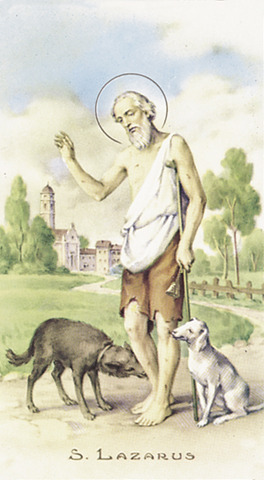
A long-time devotee of San Lázaro, patron saint of the poor, sick, and marginalized, Jorge's faith was a quiet and steadfast anchor throughout his life. A private Mass will be held in his honor on Friday, March 27th, at 12:00 p.m. at Rincón de San Lázaro.
Jorge Artiles Montero, de 70 años, residente de Hialeah Gardens, Florida, falleció el miércoles 18 de marzo de 2026. Nacido el 14 de junio de 1955 en La Habana, Cuba, Jorge vivió una vida definida por el coraje, la devoción y un amor inquebrantable por su familia.
El camino de Jorge hacia la libertad se forjó en el crisol de la resistencia política. Como preso político que encontró solidaridad y amistades para toda la vida dentro de los muros que lo confinaron, cargó consigo tanto las cicatrices del sacrificio como los lazos inquebrantables de la hermandad. Cuando finalmente llegó a las costas de los Estados Unidos, abrazó este país con una gratitud feroz y perdurable. Conocido por su personalidad apasionada, fue un trabajador incansable, un hombre de familia devoto y un amigo leal. Sus alegrías eran simples y sinceras: la buena compañía, bailando, la libertad de andar en su motocicleta y la paz de la playa.
Por encima de todo, Jorge se sentía inmensamente orgulloso de la familia que construyó. Le sobreviven con amor sus hijas Claudia Arroyo y Viviana Artiles; Mercedes Artiles, madre de sus hijas; yernos Gregory Arroyo y Alexander Arbelaez; nietos Eleanor, Samuel y Ophelia Arroyo; su madre, Caridad Montero; hermanos Ramon y Vicente Artiles; hermana Lourdes Artiles; queridos hermanos del alma Antonio Diaz y Joaquin Leal; y numerosos sobrinos y sobrinas.
Devoto desde hace mucho tiempo de San Lázaro, santo patrón de los pobres, enfermos y marginados, la fe de Jorge fue un ancla silenciosa y firme a lo largo de su vida. Una Misa privada se celebrará en su honor el viernes 27 de marzo a las 12:00 p.m. en el Rincón de San Lázaro.
Private Mass in Honor of Jorge Artiles Montero
Misa Privada en Honor a Jorge Artiles Montero
The Story Behind the Man
La Historia Detrás del Hombre
The Man
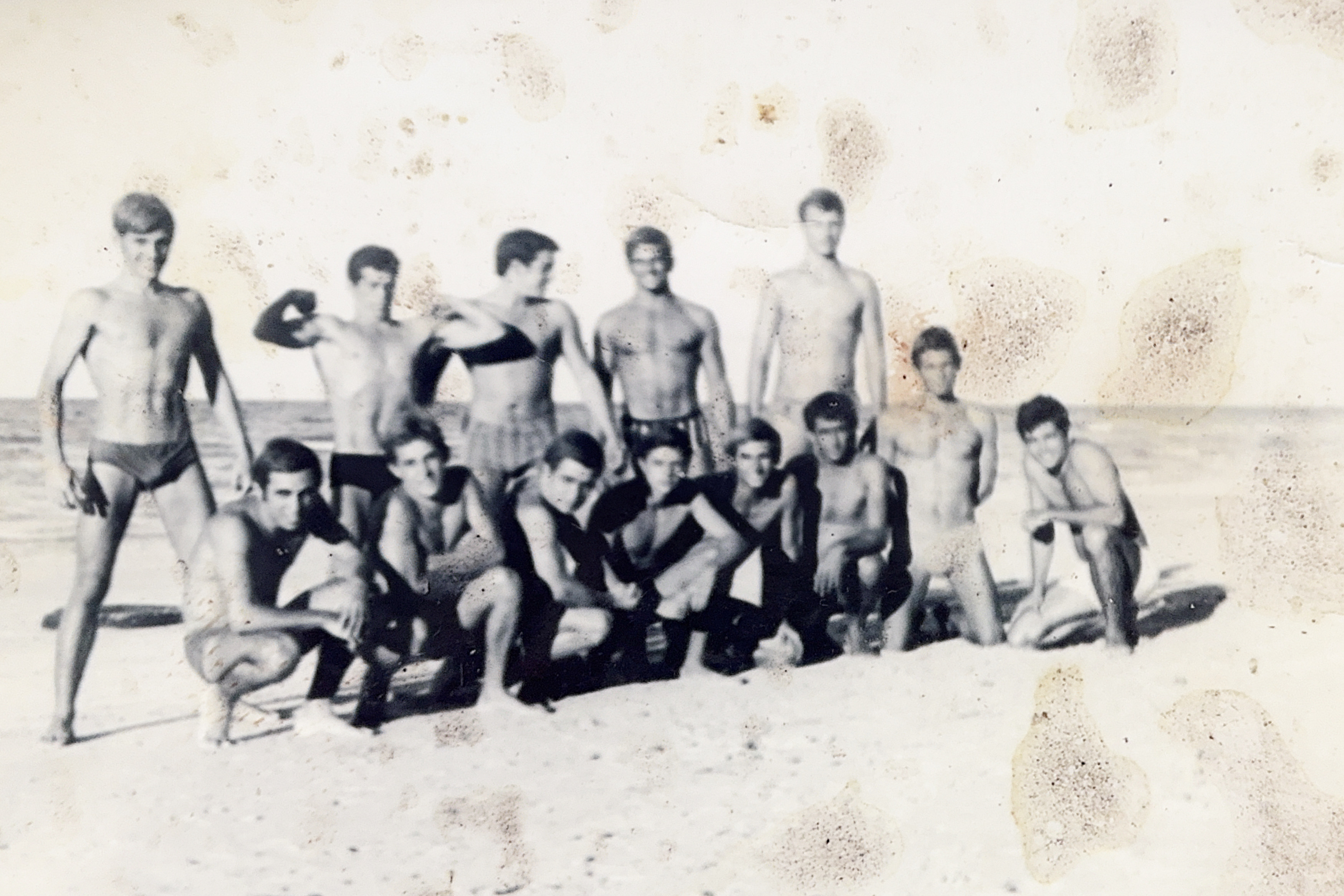
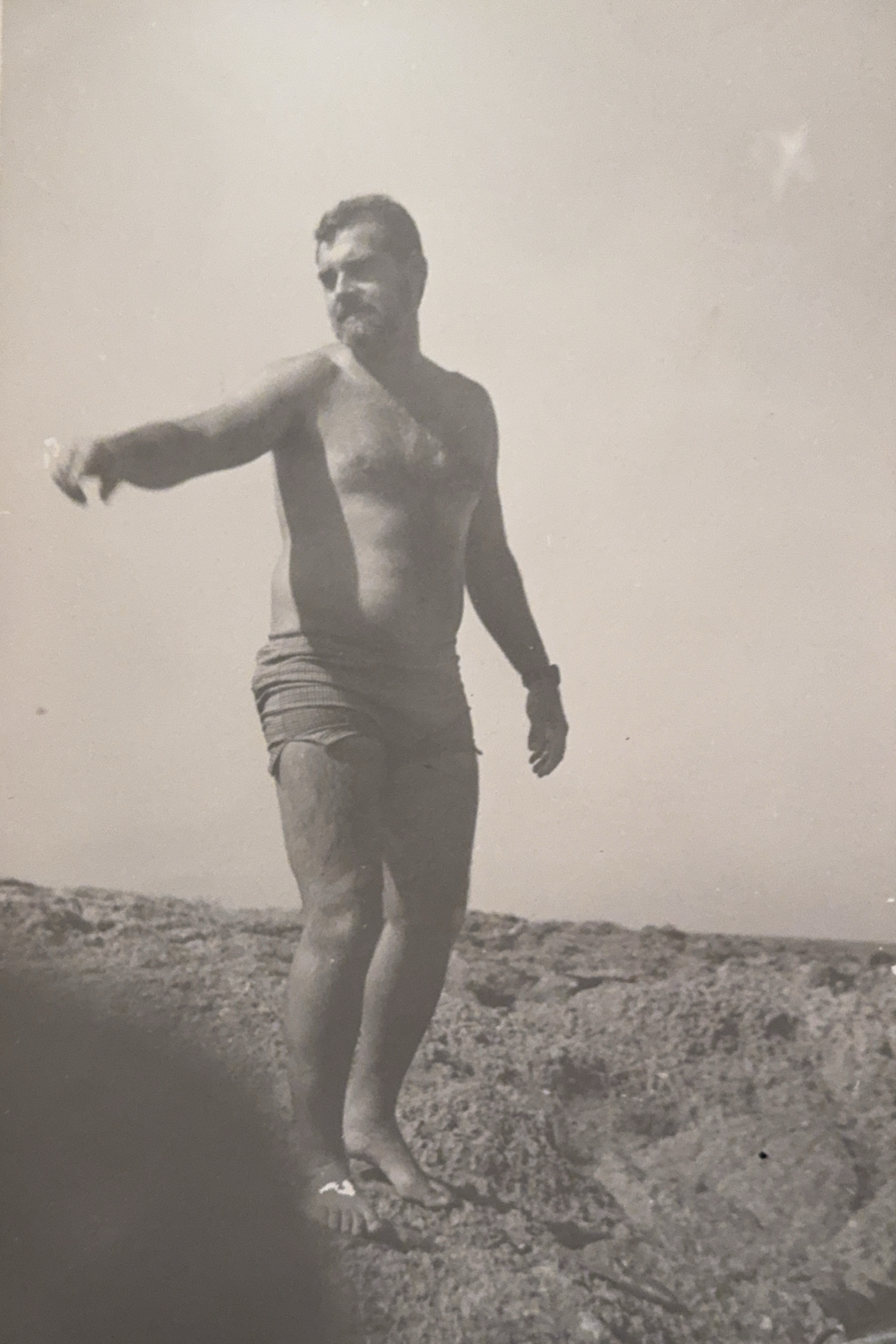
Jorge Artiles Montero was born on June 14, 1955, in La Habana, Cuba to Caridad Montero and Pedro Artiles. He was the third of what would be six children. A child of the sea, he loved diving and served as a lifeguard on the Cuban coast. He became a city bus driver in Havana, a working man in a system that offered no path to freedom, no avenue for dissent, and no legal means of departure. What set Jorge apart from most was that he decided to act.
The Buses
Cuba in 1979 was a pressure cooker. The economy was faltering, Soviet subsidies could not mask the deepening scarcity of food and basic goods, and the government's grip on daily life left no legal avenue for emigration or dissent. Foreign embassies in Havana were surrounded by armed military guards to prevent Cuban citizens from reaching them. The regime understood that any embassy willing to grant asylum was a threat, and so it kept its own people at gunpoint to stop them from getting to the gates. For men like Jorge, who could see no future in a system designed to keep them silent and still, the only way out was through.
In the early months of 1980, three buses would breach those military-patrolled gates at the Peruvian embassy in Havana's Miramar district. The first crashed through on January 17, 1980. On March 28, 1980, Jorge was at the wheel of the second bus. He drove it through the same gates, delivering another group of Cubans into the embassy compound and into the uncertain shelter of diplomatic protection.
Inspired by these preceding attempts, a third group crashed through the gates on April 1, 1980. A Cuban guard died in the chaos — shot, it would emerge, by one of his own, though the government held those who had forced the gate responsible for his death. In retaliation, the Cuban government withdrew all its guards from the embassy perimeter. The move was intended as punishment, to leave the embassy unprotected and vulnerable, but it backfired. Within 48 hours, roughly 10,800 Cubans flooded the grounds, an extraordinary number for a property never meant to hold more than a handful of people. The images of that overcrowded compound became one of the defining visuals of the era and embarrassed the Castro government enough that it eventually opened the port of Mariel to mass emigration. What followed was the Mariel Boatlift — one of the largest mass migrations in the Western Hemisphere — in which over 125,000 Cubans crossed the Florida Straits.
Trapped Inside the Embassy
Life within the embassy walls was grueling. What had been a diplomatic residence was never designed to shelter thousands of people for weeks, let alone years. At the height of the 1980 crisis, the Cuban government cut off water and electricity to the compound. Food was scarce; sanitation was primitive. People slept on the ground, in hallways, under trees. The stench of so many bodies crammed together in the tropical heat was overwhelming. Disease spread easily. Cuban state security surrounded the perimeter, and government-organized acts of intimidation were staged outside the gates to terrorize those within.
After the Mariel Boatlift drew the thousands away, the compound emptied, but not for Jorge and the others denied exit. The Cuban government branded them instigators and denied them salvoconductos (safe-conduct passes), refusing them permission to leave Cuba. They remained trapped inside the Peruvian embassy for over four years. The initial chaos gave way to a different kind of suffering: the slow, grinding torment of indefinite confinement. Days bled into months, months into years. Jorge and his companions waited in limbo, neither free to leave nor willing to surrender to the Cuban authorities who would certainly imprison them. Inside those walls, Jorge would forge indescribable bonds with the men aboard those three buses, chief among them Joaquín Leal Sánchez and Antonio Díaz Ortega.
In the summer of 1984, he finally left the embassy after receiving guarantees from the Cuban government that he would not be prosecuted and could later apply for permission to leave the country. But freedom, as he would soon learn, was still a long way off.
Marriage, Defiance, and Prison
Jorge met Mercedes Quijadas Abreu from the driver's seat of a Havana city bus in late 1979. She stepped on as a passenger and was quickly enamored by the charming driver. Whatever pulled them together held fast through the tumultuous years that followed. While Jorge was trapped behind the embassy walls, Mercedes wrote him faithfully, a presence on the other side of the fence that reminded him there was still a life worth fighting for outside of it. They were married in November 1984, just three months after he left the embassy.
Once released, Jorge and his comrades were labeled gusanos and treated as pariahs. Many doors closed to him and he was relegated to sweeping streets. The ostracization was a daily reminder of the cost of dissent.
Meanwhile, the promised exit permits were agonizingly slow to materialize. In 1985, driven to desperation by years of limbo and degradation, Jorge, Antonio, and one other attempted to leave Cuba by raft. They were apprehended by the Cuban coast guard and sent to Quivicán, a maximum-security prison. A sentence of three years, eight months, and twenty-one days followed.
The conditions in the prison were deliberately brutal. Overcrowded cells offered no relief from the suffocating heat. Food was scarce and often rancid: watered-down soup, stale bread, rice crawling with insects. Clean water was a luxury. Political prisoners were frequently housed alongside violent offenders, a calculated strategy meant to isolate and intimidate them. Guards carried out arbitrary punishments, from solitary confinement in sweltering, lightless cells to beatings and the withdrawal of already meager rations, for infractions as minor as speaking too loudly or failing to show sufficient deference. Yet, Jorge walked out in 1988 the same man who had driven through those embassy gates eight years earlier: unbowed, unbroken, and still determined to be free.
Later that year, he welcomed his first child, a daughter named Claudia. His desire for freedom took on new meaning with fatherhood. He felt this was no longer only his struggle; it was a future he owed his child. The weight of that responsibility sharpened his resolve even as it deepened the agony of waiting.
Freedom
On January 21, 1991, eleven years after he first crashed through the embassy gates, Jorge Artiles Montero and his family were granted refuge in Peru, the country whose embassy had sheltered him all those years earlier. His ordeal on the island had spanned the entire 1980s: the bus, the embassy, the degradation, the raft, and prison.
A man of versatile talents, Jorge reinvented himself in Peru, working as a bodyguard and as a seamster. But Peru was a waystation, not a destination. When the opportunity came, he made it to the United States, the country he would embrace with fierce and abiding gratitude for the rest of his life.
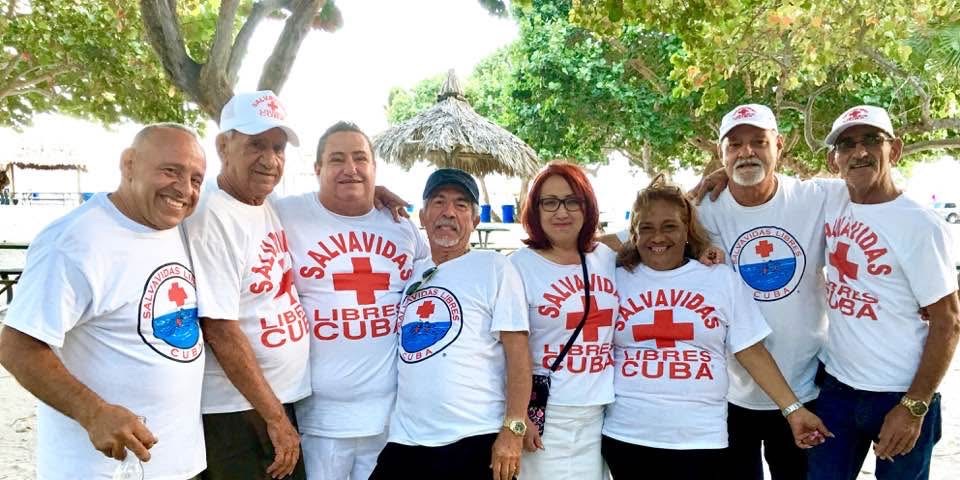
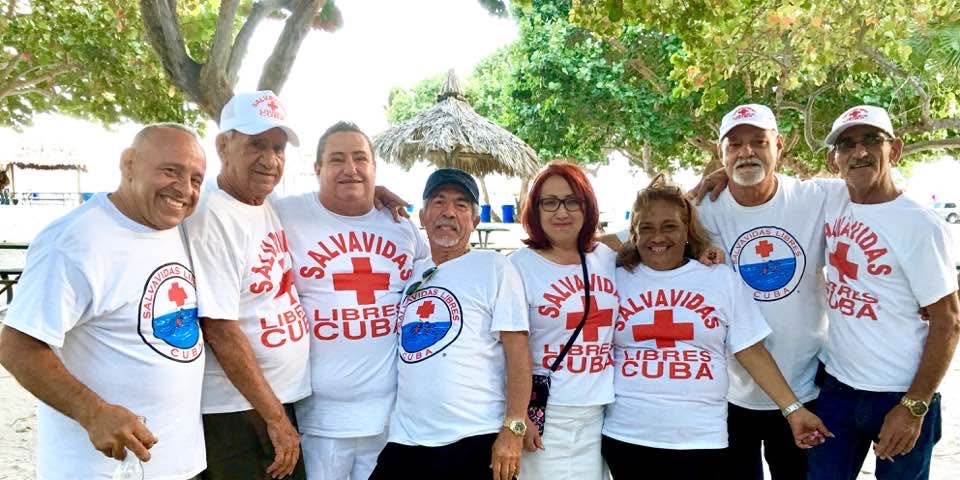
He and Mercedes settled in South Florida, and in 1994 welcomed a second daughter, Viviana. Jorge spent the majority of his career as a long-haul truck driver, logging countless miles across the country he had fought so hard to reach. At home, he was always tinkering in the yard with one thing or another: working on his motorcycle or his truck, forever fixing and making and improving. He spent many years as a hobby aquarist, finding in the quiet discipline of maintaining his tanks something of the same peace the ocean had always given him. He joined the Salvavidas Libres de Cuba, reconnecting with the sea and old friends.
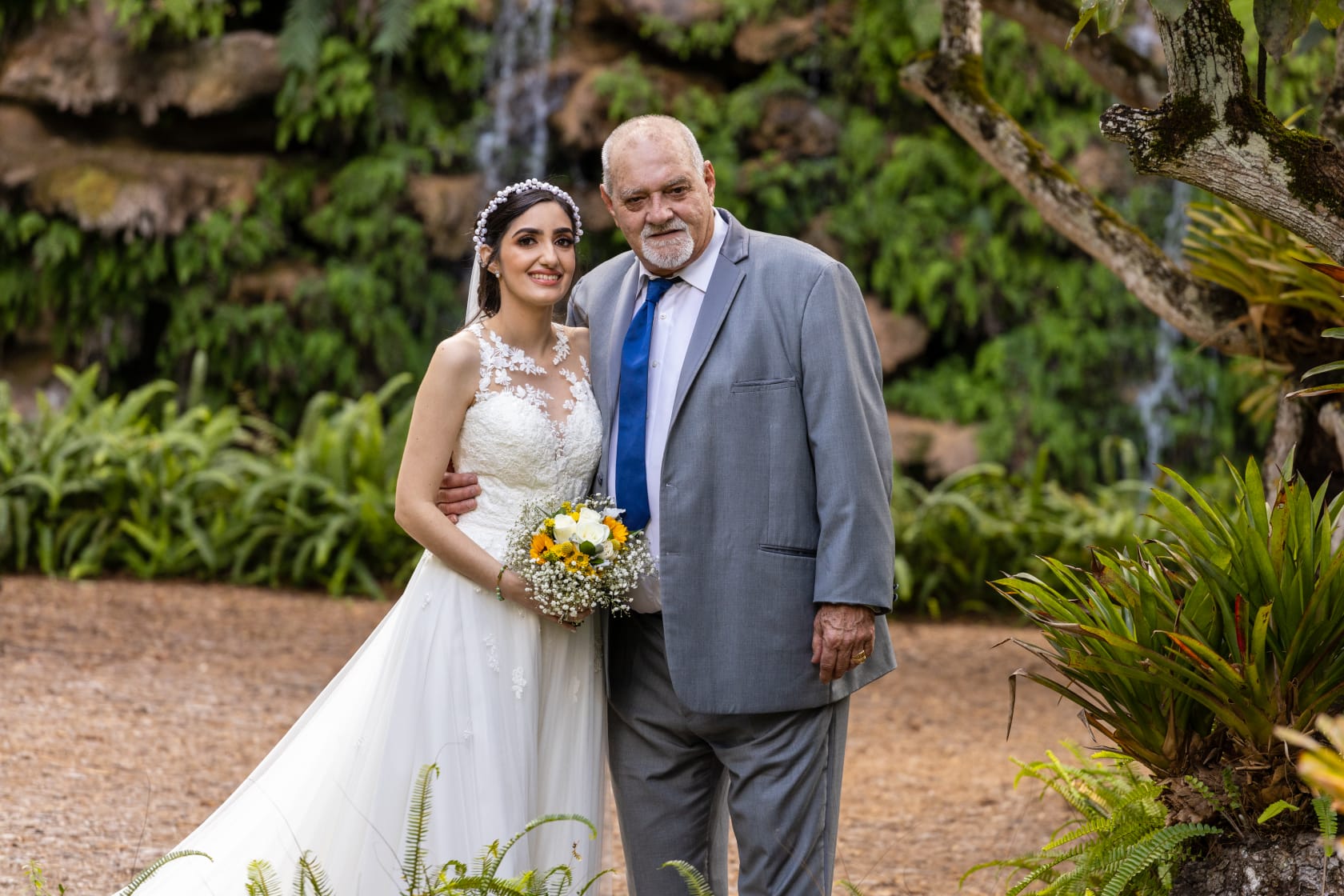
Although poverty pulled him from school before he reached his teenage years, he lived to watch his daughters earn graduate degrees — each choosing a path shaped, in its own way, by the world he had survived. A father's struggle has a way of becoming a daughter's compass.
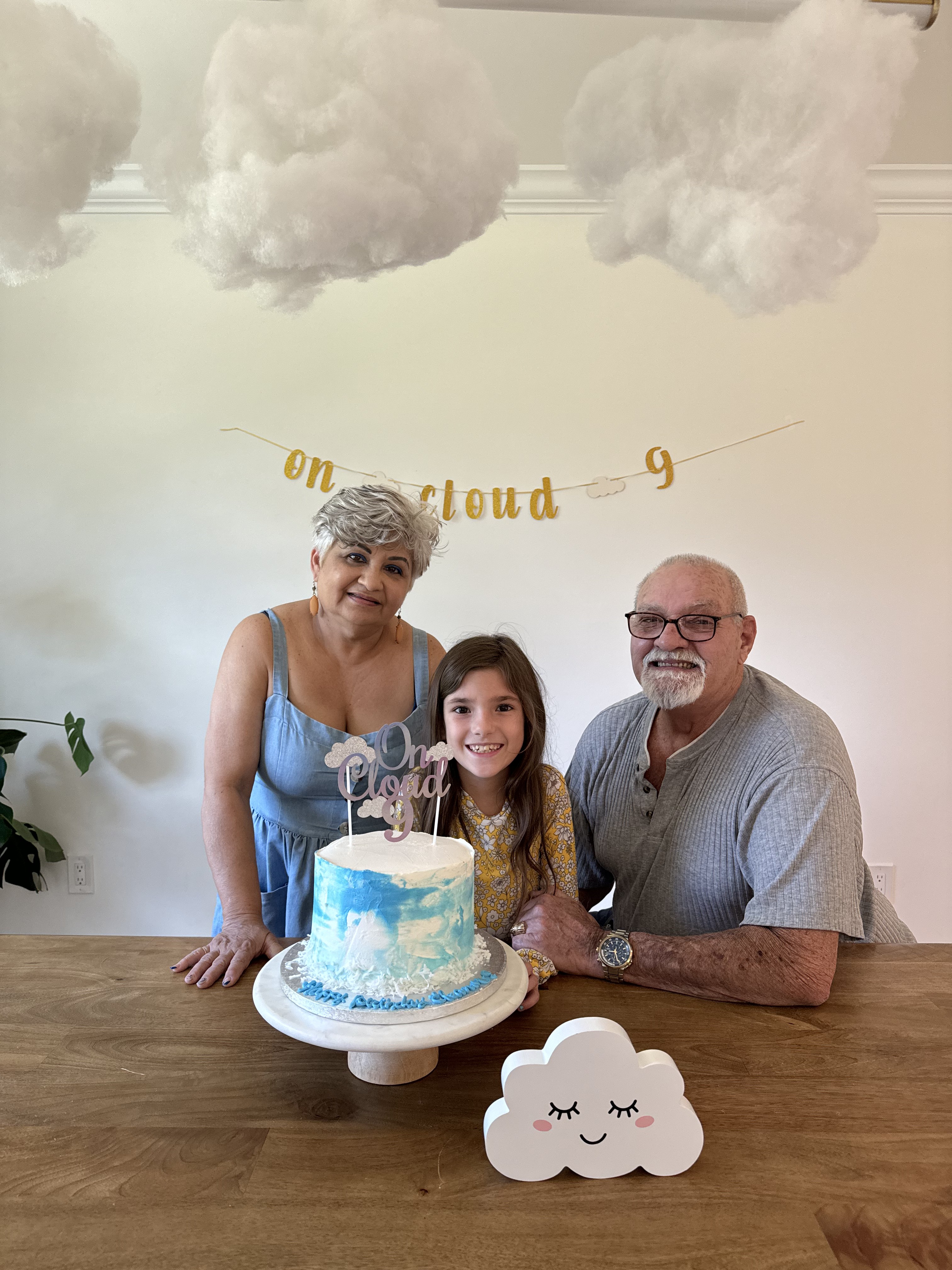
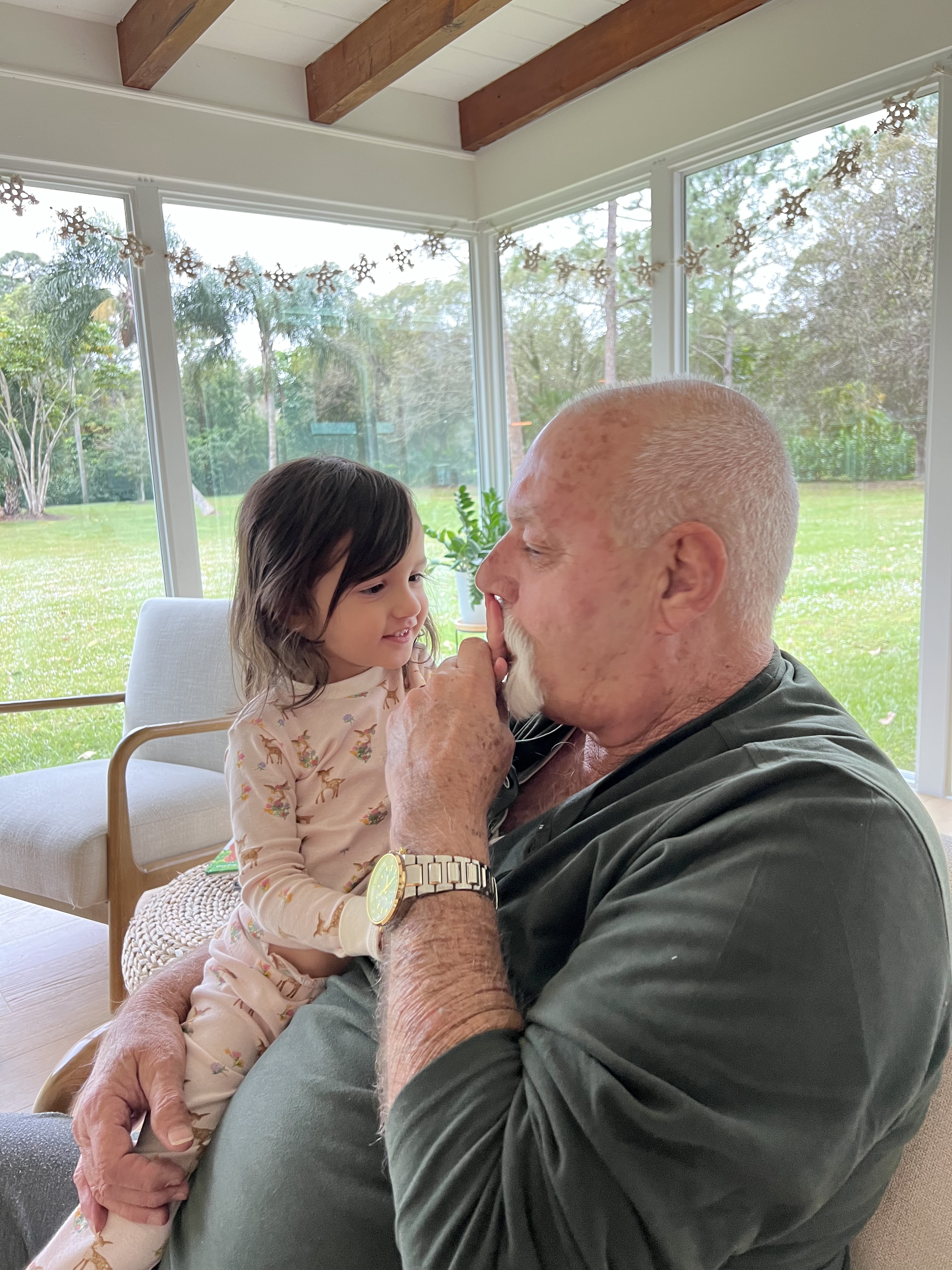
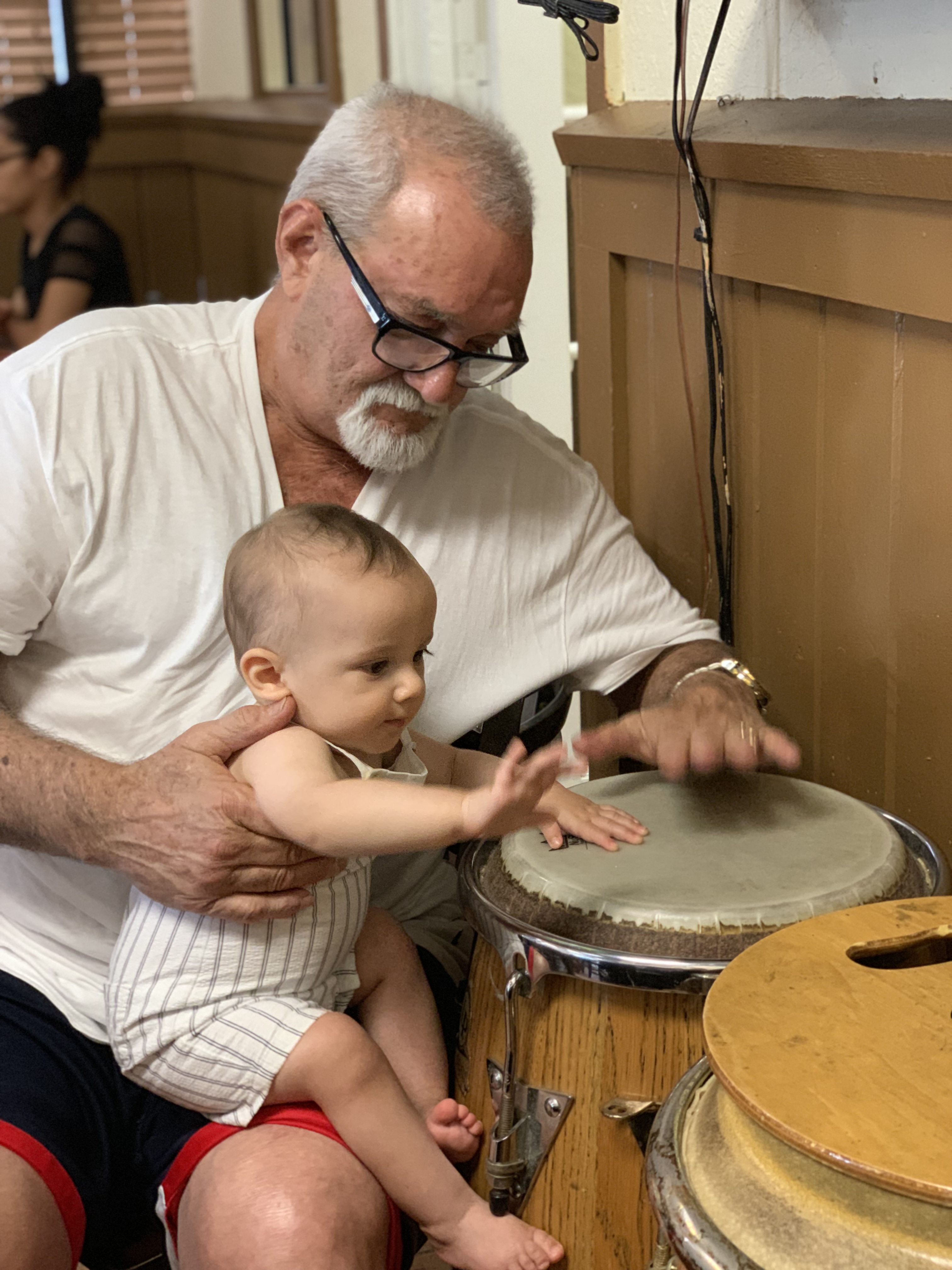
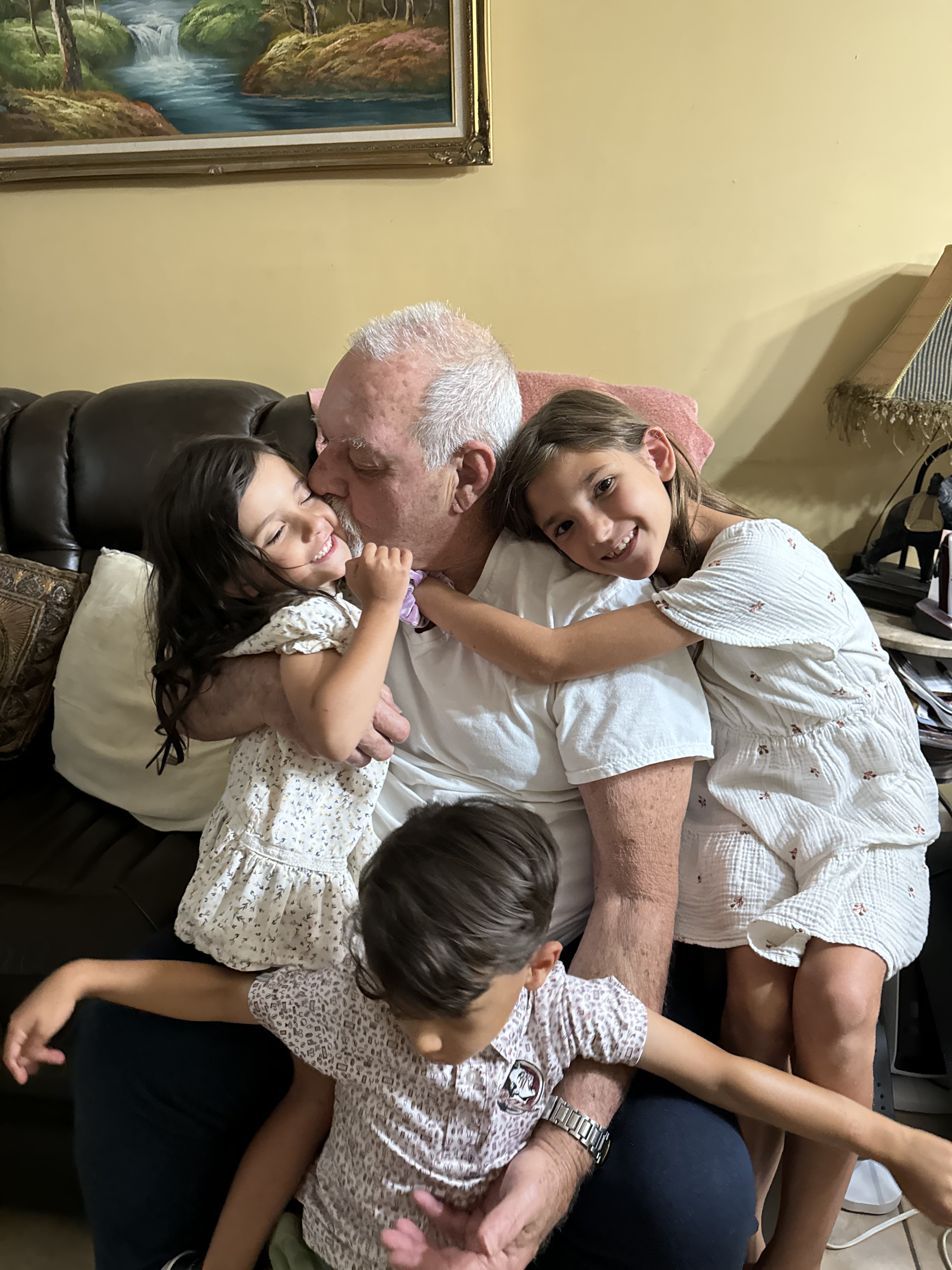
He lived to see them married to men he loved as though they were his own sons, and to welcome all three of his grandchildren into the world, cradling each one as a living reminder that every sacrifice he had made had been more than worth it.
A Life Reclaimed
Jorge Artiles Montero's name does not appear in any publicly available history of the Peruvian Embassy crisis. The published record names only a handful of the people involved. The stories of those who endured the embassy, the prisons, and the decades-long struggles for freedom often exist only in the memories of the people who lived them.
Jorge was not a dissident leader or a public figure. He was a bus driver and a lifeguard who wanted to be free, and who paid for that desire with more than a decade of his life. When he finally reached freedom, he worked tirelessly, loved fiercely, and never forgot what it cost to get here.
He passed away on March 18, 2026, in Hialeah Gardens, Florida - a free man.
El Hombre
Jorge Artiles Montero nació el 14 de junio de 1955 en La Habana, Cuba, hijo de Caridad Montero y Pedro Artiles. Fue el tercero de lo que serían seis hijos. Hijo del mar, amaba bucear y sirvió como salvavidas en la costa cubana. Se convirtió en conductor de autobús urbano en La Habana, un hombre trabajador en un sistema que no ofrecía camino hacia la libertad, ni vía para la disidencia, ni medio legal de salida. Lo que distinguió a Jorge de la mayoría fue que decidió actuar.
Los Autobuses
Cuba en 1979 era una olla de presión. La economía flaqueaba, los subsidios soviéticos no podían ocultar la creciente escasez de alimentos y bienes básicos, y el control del gobierno sobre la vida cotidiana no dejaba ninguna vía legal para la emigración o la disidencia. Las embajadas extranjeras en La Habana estaban rodeadas por guardias militares armados para impedir que los ciudadanos cubanos llegaran a ellas. El régimen entendía que cualquier embajada dispuesta a conceder asilo era una amenaza, y por eso mantenía a su propio pueblo a punta de fusil para evitar que alcanzaran las puertas. Para hombres como Jorge, que no veían futuro en un sistema diseñado para mantenerlos callados e inmóviles, la única salida era atravesarlo.
En los primeros meses de 1980, tres autobuses atravesarían esas puertas custodiadas por militares en la embajada del Perú en el distrito de Miramar de La Habana. El primero irrumpió el 17 de enero de 1980. El 28 de marzo de 1980, Jorge iba al volante del segundo autobús. Lo condujo a través de las mismas puertas, llevando a otro grupo de cubanos al recinto de la embajada y al incierto refugio de la protección diplomática.
Inspirado por estos intentos previos, un tercer grupo atravesó las puertas el 1 de abril de 1980. Un guardia cubano murió en el caos — disparado, se sabría después, por uno de los suyos, aunque el gobierno responsabilizó de su muerte a quienes habían forzado la entrada. En represalia, el gobierno cubano retiró a todos sus guardias del perímetro de la embajada. La medida pretendía ser un castigo, dejar la embajada desprotegida y vulnerable, pero tuvo el efecto contrario. En 48 horas, aproximadamente 10,800 cubanos inundaron los terrenos, una cifra extraordinaria para una propiedad que nunca fue diseñada para albergar a más que un puñado de personas. Las imágenes de aquel recinto abarrotado se convirtieron en una de las estampas definitorias de la época y avergonzaron al gobierno de Castro lo suficiente como para que finalmente abriera el puerto del Mariel a la emigración masiva. Lo que siguió fue el Éxodo del Mariel — una de las mayores migraciones masivas del hemisferio occidental — en la que más de 125,000 cubanos cruzaron el Estrecho de la Florida.
Atrapados Dentro de la Embajada
La vida dentro de los muros de la embajada era agotadora. Lo que había sido una residencia diplomática nunca fue diseñado para albergar a miles de personas durante semanas, y mucho menos años. En el punto álgido de la crisis de 1980, el gobierno cubano cortó el agua y la electricidad del recinto. La comida era escasa; el saneamiento era primitivo. La gente dormía en el suelo, en los pasillos, bajo los árboles. El hedor de tantos cuerpos hacinados en el calor tropical era abrumador. Las enfermedades se propagaban fácilmente. La seguridad del estado cubano rodeaba el perímetro, y actos de intimidación organizados por el gobierno se montaban frente a las puertas para aterrorizar a quienes estaban dentro.
Después de que el Éxodo del Mariel se llevó a los miles, el recinto se vació, pero no para Jorge y los demás a quienes se les negó la salida. El gobierno cubano los tildó de instigadores y les negó los salvoconductos, rechazando su permiso para salir de Cuba. Permanecieron atrapados dentro de la embajada del Perú durante más de cuatro años. El caos inicial dio paso a un tipo diferente de sufrimiento: el tormento lento y agotador del confinamiento indefinido. Los días se fundían en meses, los meses en años. Jorge y sus compañeros esperaban en el limbo, sin libertad para irse ni disposición a rendirse ante las autoridades cubanas que ciertamente los encarcelarían. Dentro de esos muros, Jorge forjaría vínculos indescriptibles con los hombres a bordo de esos tres autobuses, principalmente Joaquín Leal Sánchez y Antonio Díaz Ortega.
En el verano de 1984, finalmente dejó la embajada tras recibir garantías del gobierno cubano de que no sería procesado y podría luego solicitar permiso para salir del país. Pero la libertad, como pronto aprendería, aún estaba muy lejos.
Matrimonio, Desafío y Prisión
Jorge conoció a Mercedes Quijadas Abreu desde el asiento del conductor de un autobús urbano de La Habana a finales de 1979. Ella subió como pasajera y rápidamente quedó cautivada por el encantador conductor. Lo que los unió se mantuvo firme a través de los tumultuosos años que siguieron. Mientras Jorge estaba atrapado tras los muros de la embajada, Mercedes le escribía fielmente, una presencia al otro lado de la cerca que le recordaba que aún había una vida por la que valía la pena luchar afuera. Se casaron en noviembre de 1984, apenas tres meses después de que él dejara la embajada.
Una vez liberados, Jorge y sus compañeros fueron etiquetados como gusanos y tratados como parias. Muchas puertas se le cerraron y fue relegado a barrer calles. El ostracismo era un recordatorio diario del costo de la disidencia.
Mientras tanto, los permisos de salida prometidos tardaban angustiosamente en materializarse. En 1985, impulsado por la desesperación tras años de limbo y degradación, Jorge, Antonio y otro más intentaron salir de Cuba en balsa. Fueron capturados por la guardia costera cubana y enviados a Quivicán, una prisión de máxima seguridad. Les siguió una sentencia de tres años, ocho meses y veintiún días.
Las condiciones en la prisión eran deliberadamente brutales. Las celdas hacinadas no ofrecían alivio del calor sofocante. La comida era escasa y a menudo rancia: sopa aguada, pan rancio, arroz plagado de insectos. El agua limpia era un lujo. Los presos políticos eran frecuentemente alojados junto a delincuentes violentos, una estrategia calculada para aislarlos e intimidarlos. Los guardias ejecutaban castigos arbitrarios, desde confinamiento solitario en celdas sofocantes y sin luz hasta golpizas y la retirada de raciones ya de por sí escasas, por infracciones tan menores como hablar demasiado alto o no mostrar suficiente deferencia. Sin embargo, Jorge salió en 1988 siendo el mismo hombre que había atravesado aquellas puertas de la embajada ocho años antes: sin doblegarse, sin quebrarse, y aún determinado a ser libre.
Más tarde ese año, dio la bienvenida a su primera hija, una niña llamada Claudia. Su deseo de libertad cobró nuevo significado con la paternidad. Sentía que esta ya no era solo su lucha; era un futuro que le debía a su hija. El peso de esa responsabilidad agudizó su determinación aun cuando profundizó la agonía de la espera.
La Libertad
El 21 de enero de 1991, once años después de haber atravesado por primera vez las puertas de la embajada, Jorge Artiles Montero y su familia obtuvieron refugio en el Perú, el país cuya embajada lo había refugiado todos esos años. Su calvario en la isla había abarcado toda la década de 1980: el autobús, la embajada, la degradación, la balsa y la prisión.
Hombre de talentos versátiles, Jorge se reinventó en el Perú, trabajando como guardaespaldas y como costurero. Pero el Perú fue una escala, no un destino. Cuando llegó la oportunidad, llegó a los Estados Unidos, el país que abrazaría con una gratitud feroz y perdurable por el resto de su vida.
Él y Mercedes se establecieron en el sur de la Florida, y en 1994 dieron la bienvenida a una segunda hija, Viviana. Jorge pasó la mayor parte de su carrera como camionero de larga distancia, recorriendo incontables millas por todo el país que tanto había luchado por alcanzar. En casa, siempre estaba en el patio ocupado con una cosa u otra: trabajando en su motocicleta o su camión, siempre reparando, creando y mejorando. Pasó muchos años como acuarista aficionado, encontrando en la tranquila disciplina de mantener sus tanques algo de la misma paz que el océano siempre le había dado. Se unió a los Salvavidas Libres de Cuba, reconectándose con el mar y viejos amigos.
Aunque la pobreza lo sacó de la escuela antes de llegar a la adolescencia, vivió para ver a sus hijas obtener títulos de posgrado — cada una eligiendo un camino moldeado, a su manera, por el mundo que él había sobrevivido. La lucha de un padre tiene una forma de convertirse en la brújula de una hija.
Vivió para verlas casadas con hombres que amaba como si fueran sus propios hijos, y para recibir a sus tres nietos en el mundo, acunando a cada uno como un recordatorio viviente de que cada sacrificio que había hecho había valido más que la pena.
Una Vida Recuperada
El nombre de Jorge Artiles Montero no aparece en ninguna historia públicamente disponible de la crisis de la Embajada del Perú. El registro publicado nombra solo a un puñado de las personas involucradas. Las historias de quienes soportaron la embajada, las prisiones y las luchas de décadas por la libertad a menudo existen solo en la memoria de quienes las vivieron.
Jorge no fue un líder disidente ni una figura pública. Fue un conductor de autobús y un salvavidas que quería ser libre, y que pagó por ese deseo con más de una década de su vida. Cuando finalmente alcanzó la libertad, trabajó incansablemente, amó con fiereza y nunca olvidó lo que costó llegar hasta aquí.
Falleció el 18 de marzo de 2026, en Hialeah Gardens, Florida - un hombre libre.
His Legacy
Su Legado
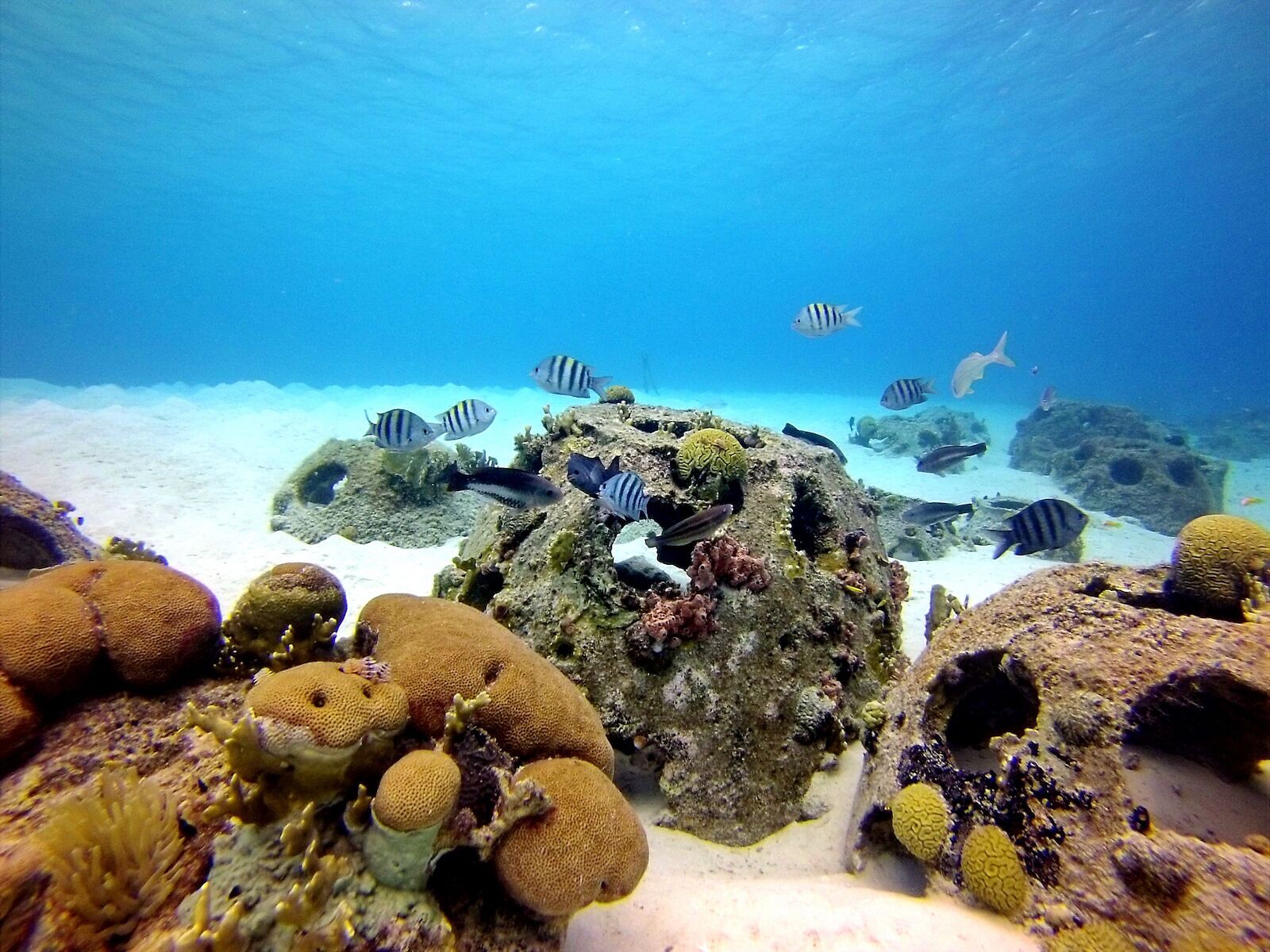
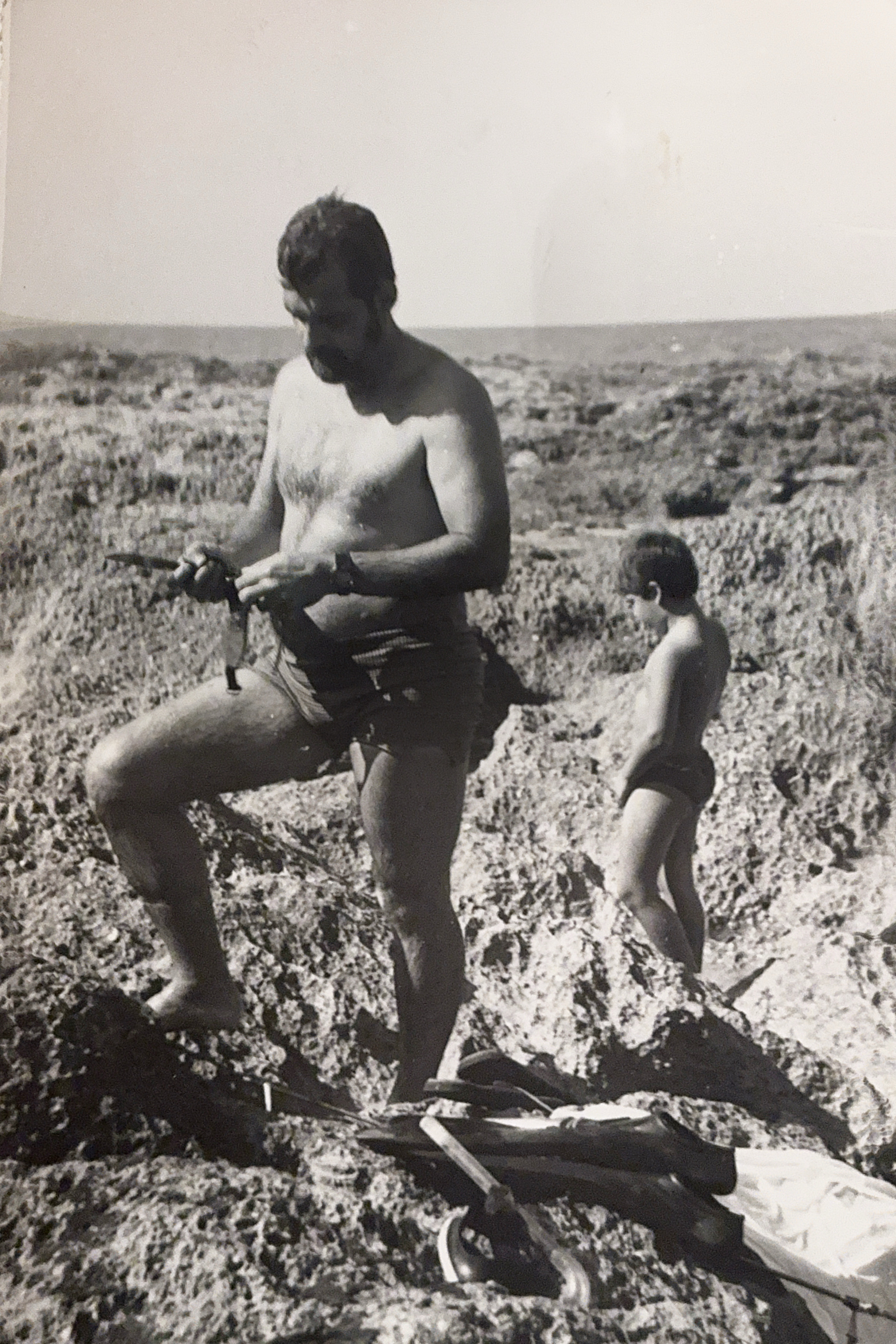
Jorge loved the sea. He loved to dive and spearfish, and carried warm memories of his time as a lifeguard in Cuba. His daughters have fond memories of their beach trips together, time spent on sandbars, finding crabs and urchins. His love for the sea extended into his home, where for many years he kept an aquarium he tended with great care. The sea was the constant thread running through his life.
To honor that connection, his family has chosen an Eternal Reef as his lasting memorial. An Eternal Reef incorporates cremated remains into an environmentally safe, marine-grade concrete reef structure placed on the ocean floor. Over time, the reef becomes a thriving habitat for fish, coral, and marine life, transforming a memorial into a living, growing legacy that gives back to the ocean Jorge loved.
The process is deeply personal. Family members participate in a casting ceremony, coming together to help form the reef structure and leaving personal imprints—handprints, messages, and mementos pressed into the wet concrete. After curing, the reef is dedicated in a waterside ceremony. Loved ones ride together on a family boat to the permitted reef site. Each memorial is announced and witnessed as it is lowered to rest, followed by a short reading before returning ashore. The family receives the exact GPS coordinates, so they can return to visit Jorge's reef whenever the ocean calls them back.
Jorge's Eternal Reef will stand on the ocean floor as a living monument, nurturing new life, strengthening the marine ecosystem, and enduring for generations in the waters he always called home.
Jorge amaba el mar. Le encantaba bucear y pescar con arpón, y guardaba cálidos recuerdos de su tiempo como salvavidas en Cuba. Sus hijas guardan entrañables recuerdos de sus viajes juntos a la playa, el tiempo en los bancos de arena, buscando cangrejos y erizos. Su amor por el mar se extendía hasta su hogar, donde durante muchos años mantuvo un acuario que cuidaba con gran esmero. El mar fue el hilo constante a lo largo de su vida.
Para honrar esa conexión, su familia ha elegido un Arrecife Eterno (Eternal Reef) como su memorial permanente. Un Arrecife Eterno incorpora los restos cremados en una estructura de arrecife de concreto de grado marino, ambientalmente segura, que se coloca en el fondo del océano. Con el tiempo, el arrecife se convierte en un hábitat próspero para peces, corales y vida marina, transformando un memorial en un legado vivo y creciente que le devuelve al océano que Jorge amaba.
El proceso es profundamente personal. Los familiares participan en una ceremonia de fundición, reuniéndose para ayudar a formar la estructura del arrecife y dejando huellas personales—impresiones de manos, mensajes y recuerdos presionados en el concreto húmedo. Después del curado, el arrecife es dedicado en una ceremonia junto al agua. Los seres queridos viajan juntos en un bote familiar hasta el sitio autorizado del arrecife. Cada memorial es anunciado y presenciado mientras desciende a su lugar de descanso, seguido de una breve lectura antes de regresar a la orilla. La familia recibe las coordenadas GPS exactas, para que puedan regresar a visitar el arrecife de Jorge cada vez que el océano los llame de vuelta.
El Arrecife Eterno de Jorge permanecerá en el fondo del océano como un monumento vivo, nutriendo nueva vida, fortaleciendo el ecosistema marino y perdurando por generaciones en las aguas que él siempre llamó hogar.
"If you see a mount of sea foam,
it is my verse you see."
"Si ves un monte de espumas,
es mi verso lo que ves."
Remembering Jorge
Recordando a Jorge